Advanced training, internships and academic mobility
Advanced training course in the program "Hydraulics and automation of electric power plants"
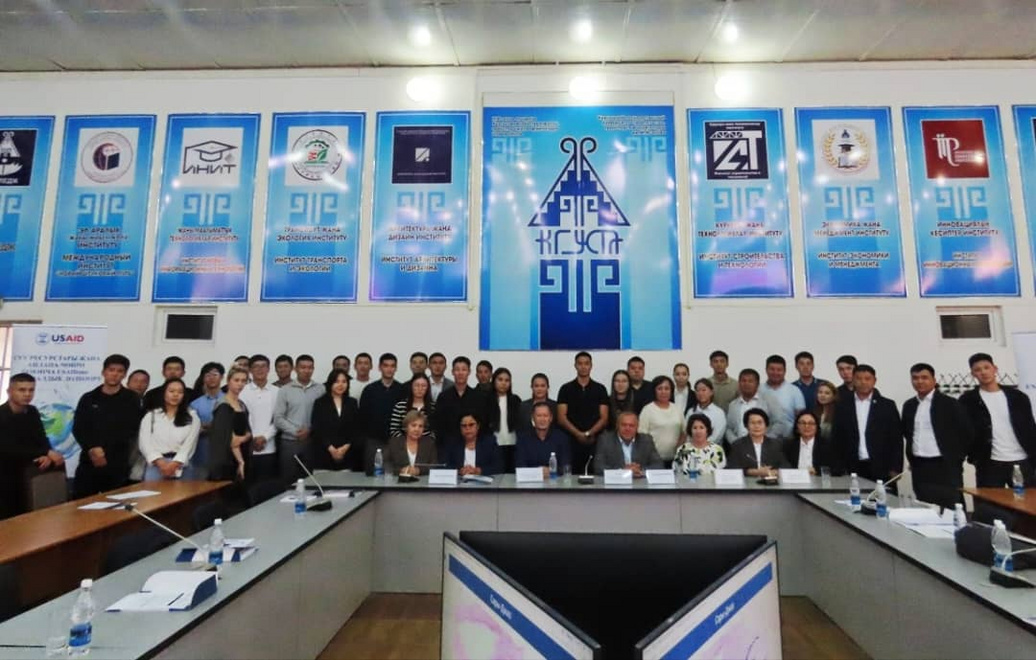
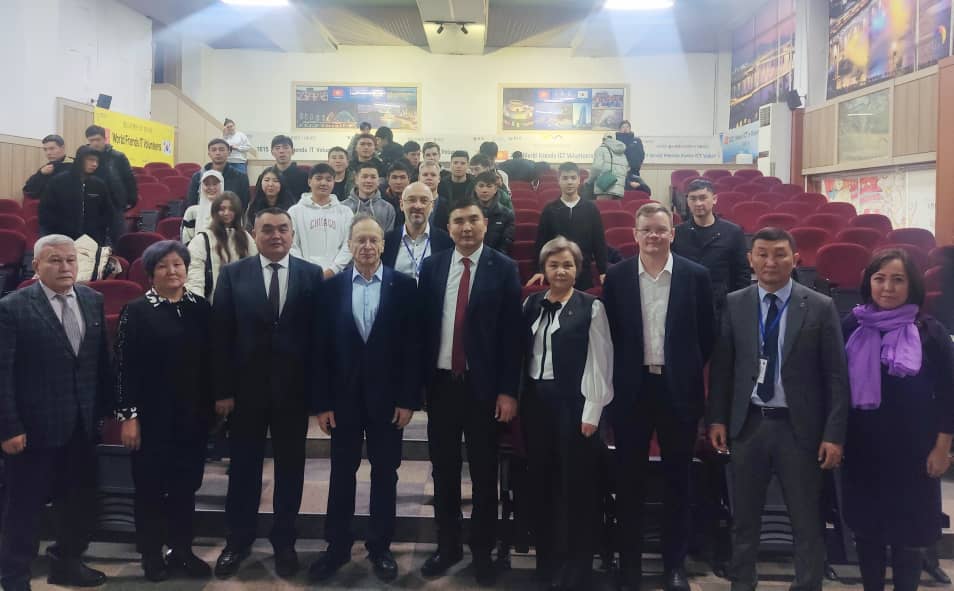
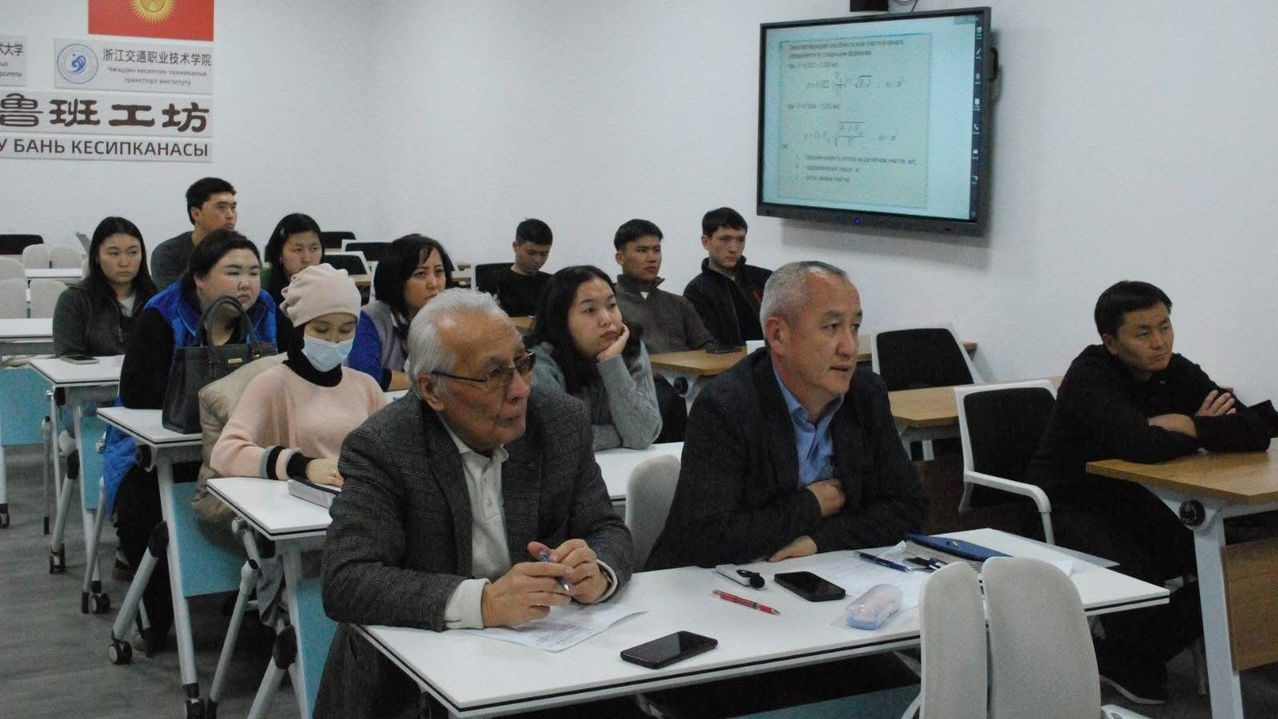
From December 17 to December 24, 2025, the department launched a 36-hour advanced training course on the program "Hydraulics and Automation of Power Plants" for the water sector of agriculture and energy at the Lu-Ban workshop. The program's audience included employees of energy companies and university representatives.
The main objective of this program is to acquire new knowledge and update existing skills in the field of development and operation of complex hydraulic systems, as well as to master the processes associated with hydraulics and automation of power plants and networks.
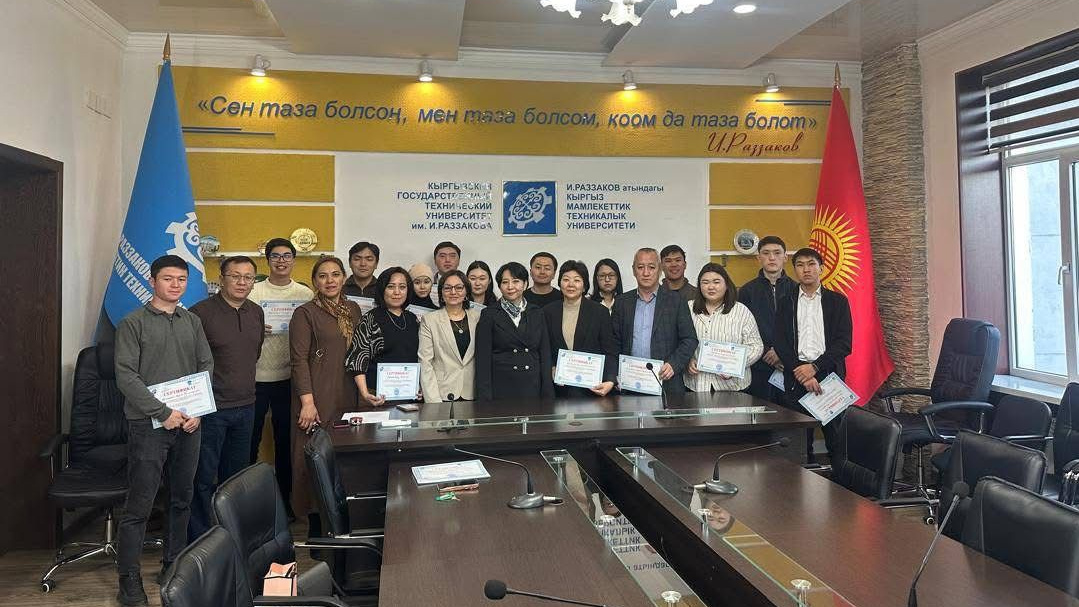
The training was attended by specialists from JSC "Directorate of Power Plants under Construction", JSC "NESK", JSC "Chakan HPP", design institutes, as well as graduate students and teachers from the Kyrgyz State Technical University named after I. Razzakov.
The course program was aimed at deepening and systematizing theoretical knowledge and developing practical skills in the field of hydraulics, hydraulic engineering, hydropower, and emergency control systems for power plants and energy systems.
As part of the training, participants learned the design and calculation principles of the main elements of hydroelectric power plants, including the design of the upper and lower pools.
Particular attention was paid to the stable and reliable operation of hydraulic structures, as well as the influence of hydraulic conditions on the performance of power facilities. The practical portion of the course included an experimental study of the fundamental laws of hydraulics.
Laboratory classes included studies on fluid statics, determination of hydrostatic pressure, application of Bernoulli's equation at constant water flow, analysis of linear and local pressure losses, and processes of fluid flow through openings and nozzles.
In addition, participants practiced their skills in using measuring instruments, including tubes and integrated Venturi devices, and studied the operating principles of various types of emergency automation on training stands.
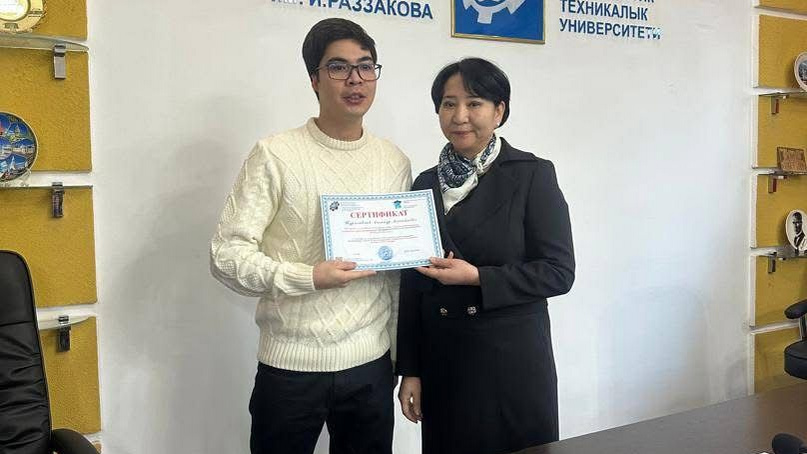
Completing the advanced training courses allowed participants to significantly improve their professional training, expand their competencies, and acquire practical skills in demand in the fields of hydraulic engineering, water resource management, and energy.
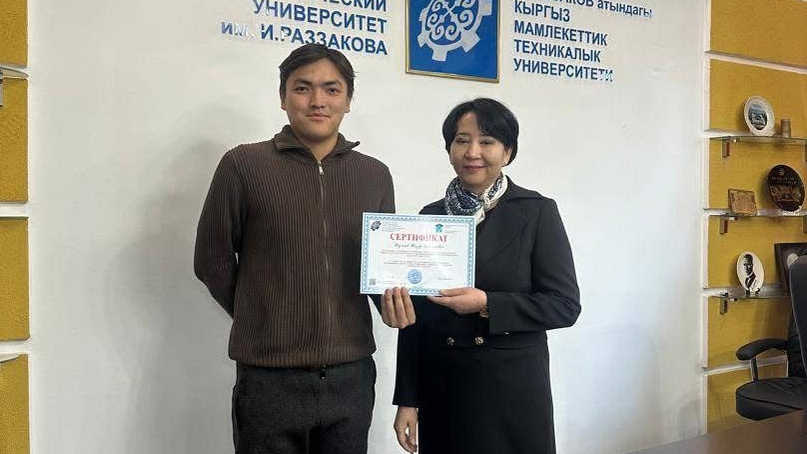
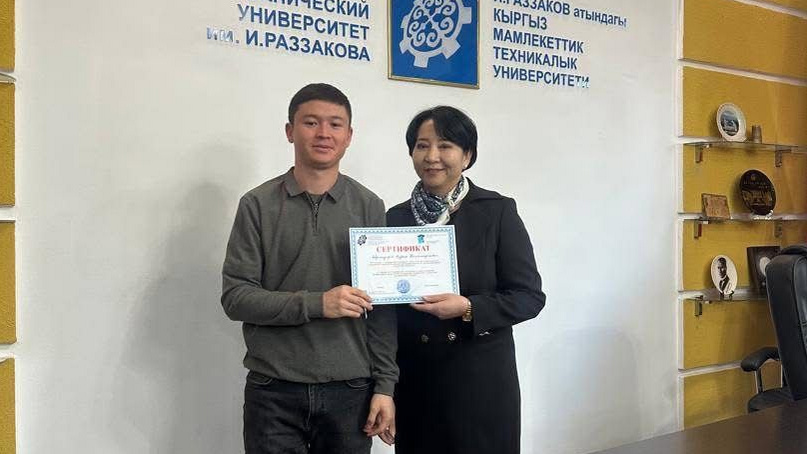
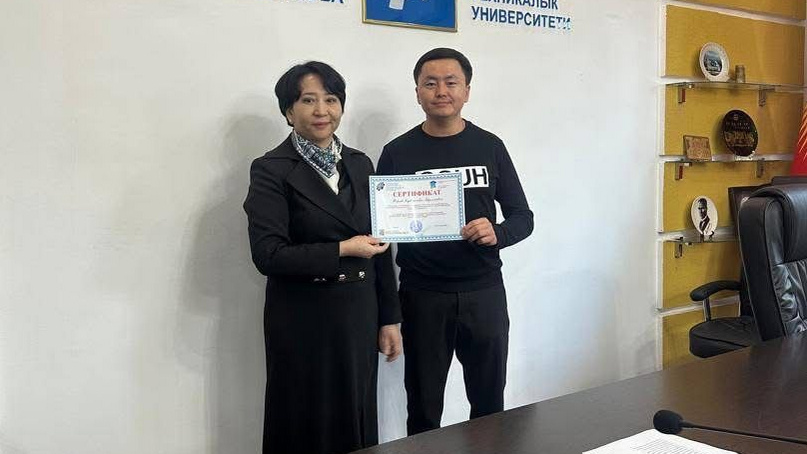
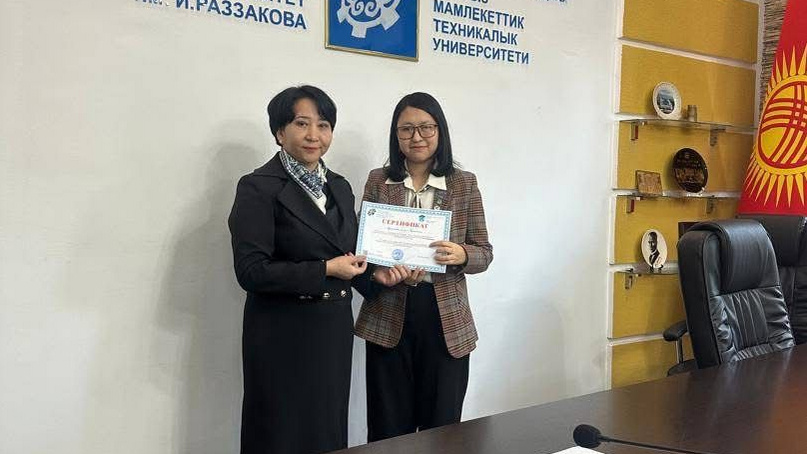
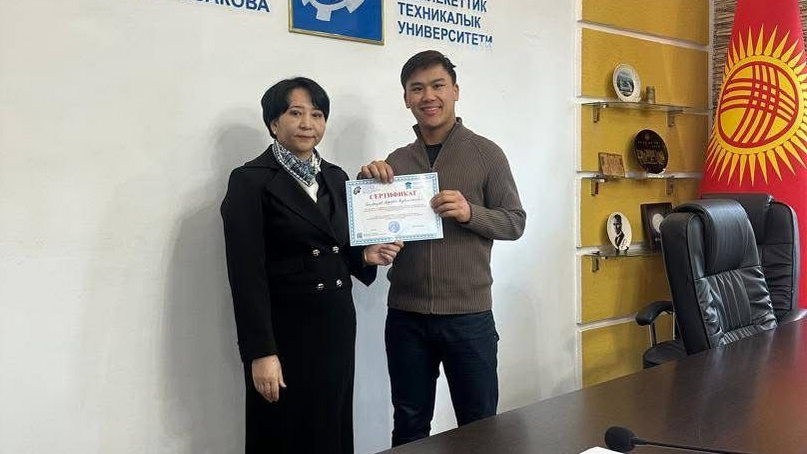
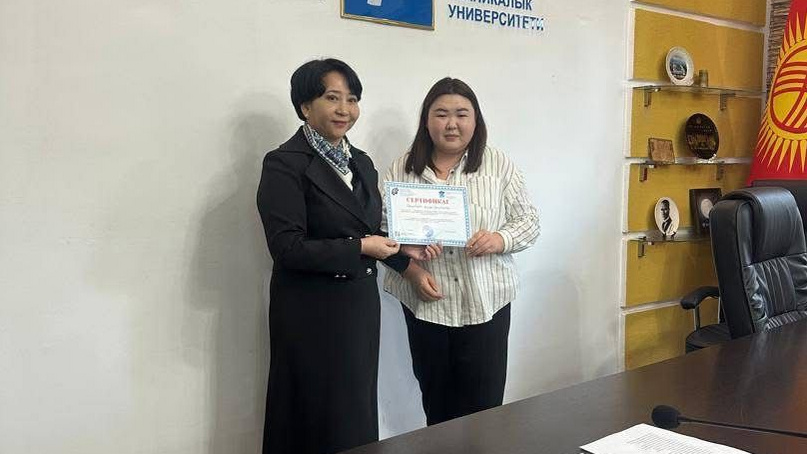
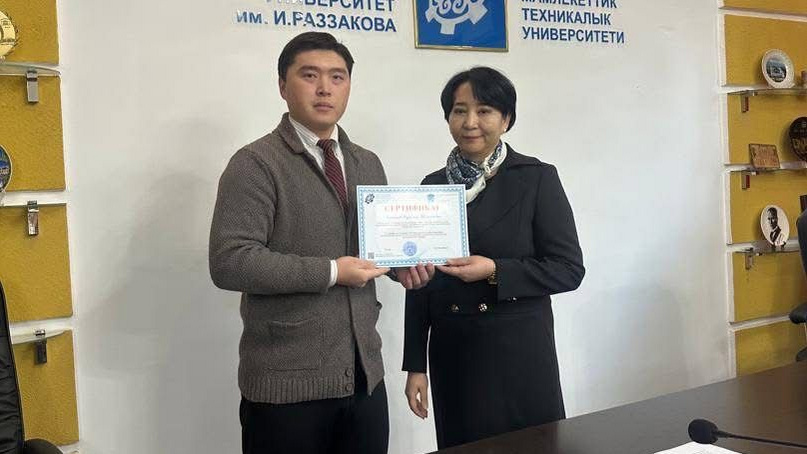
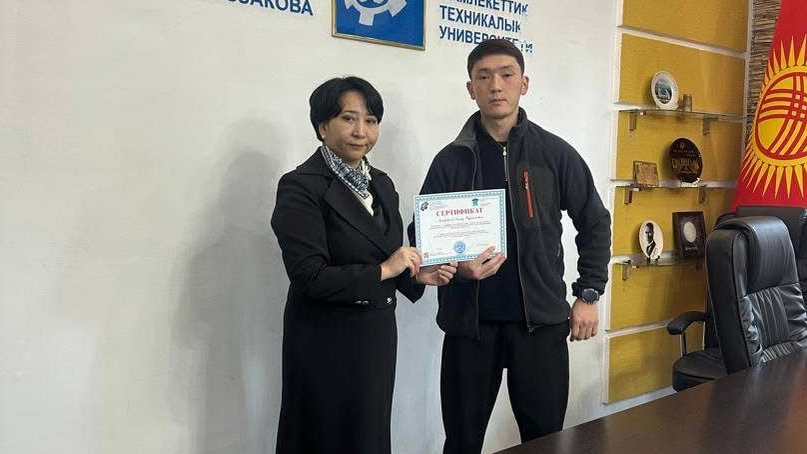

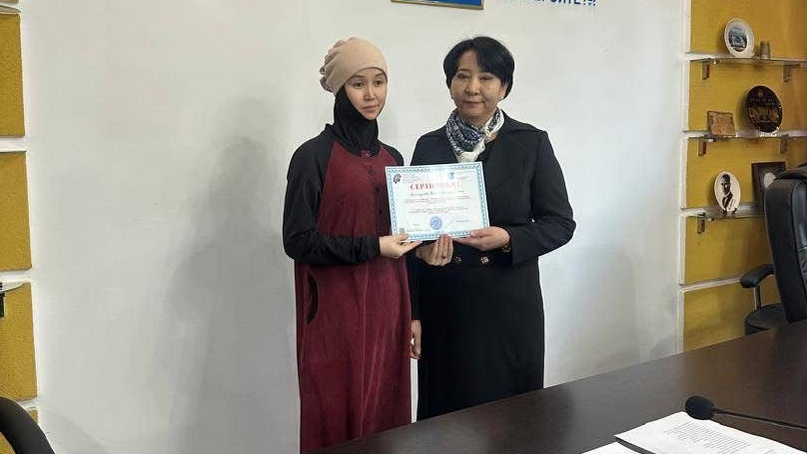

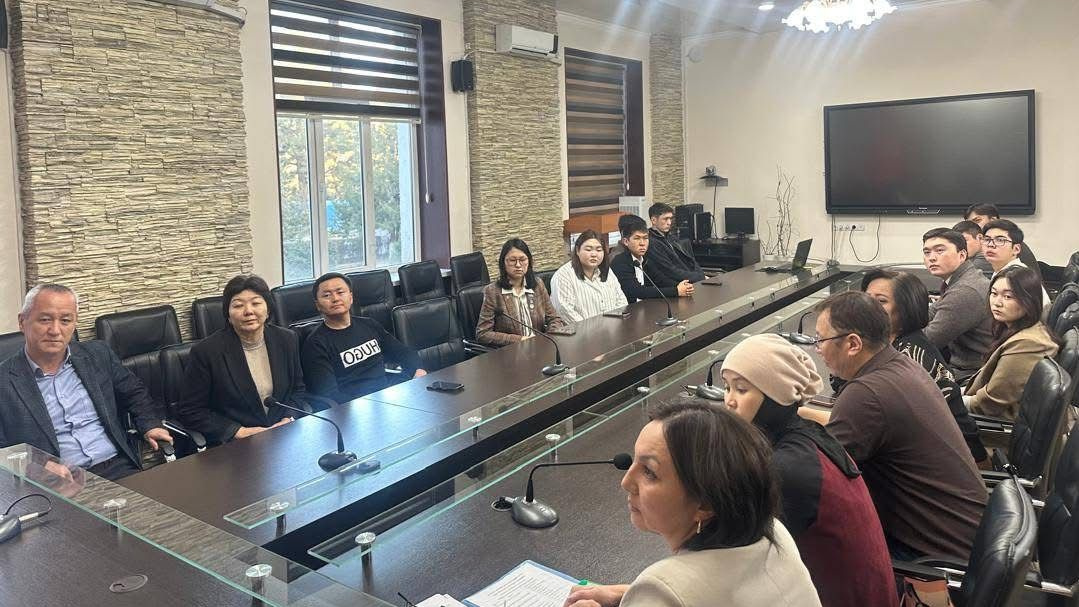
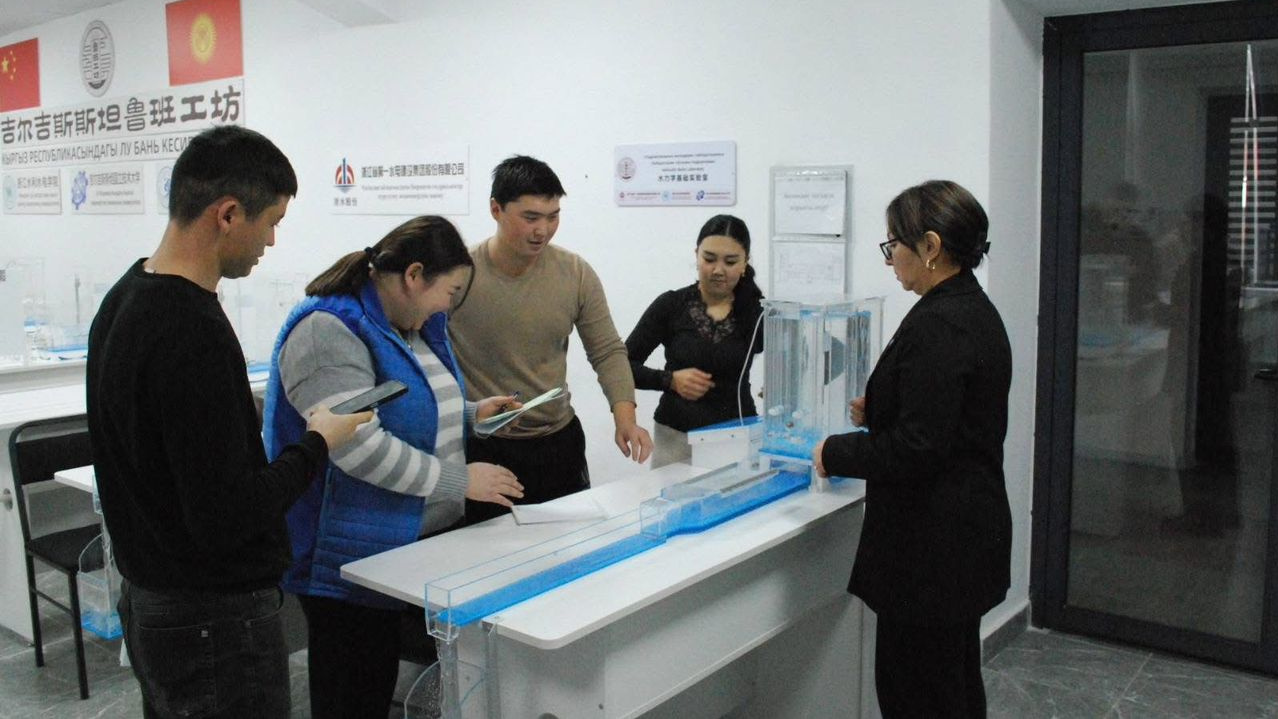
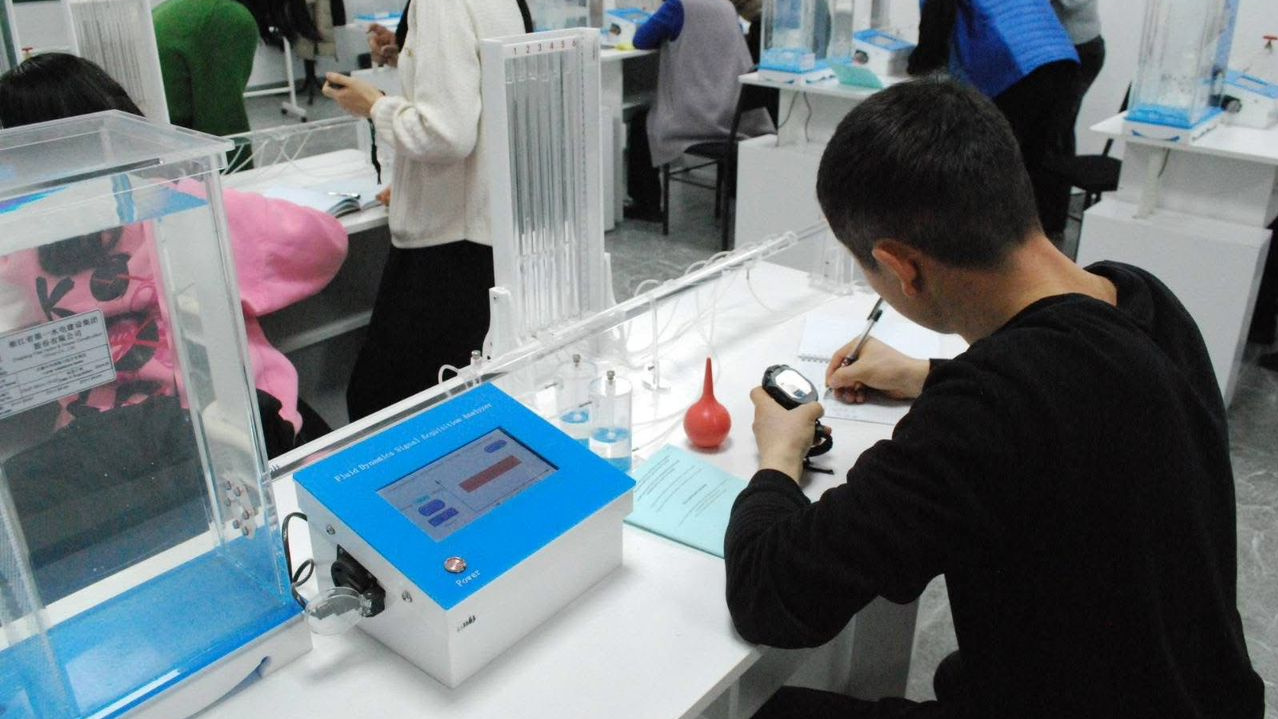
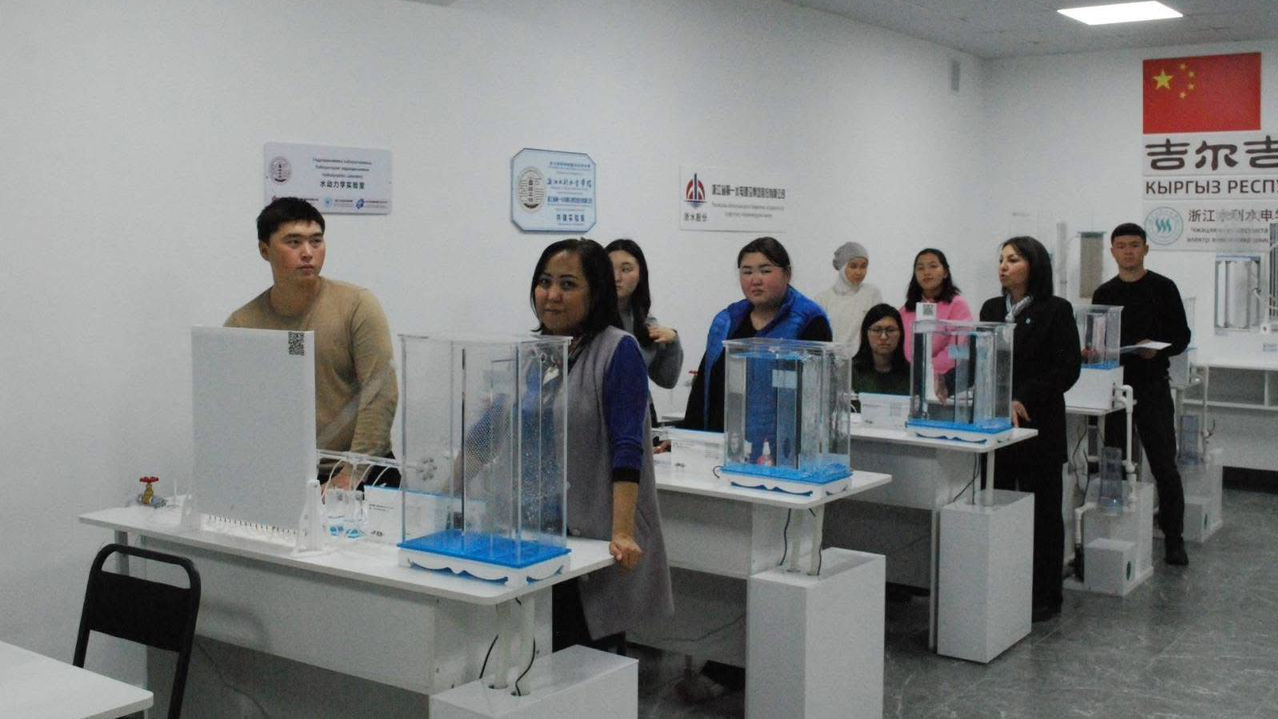
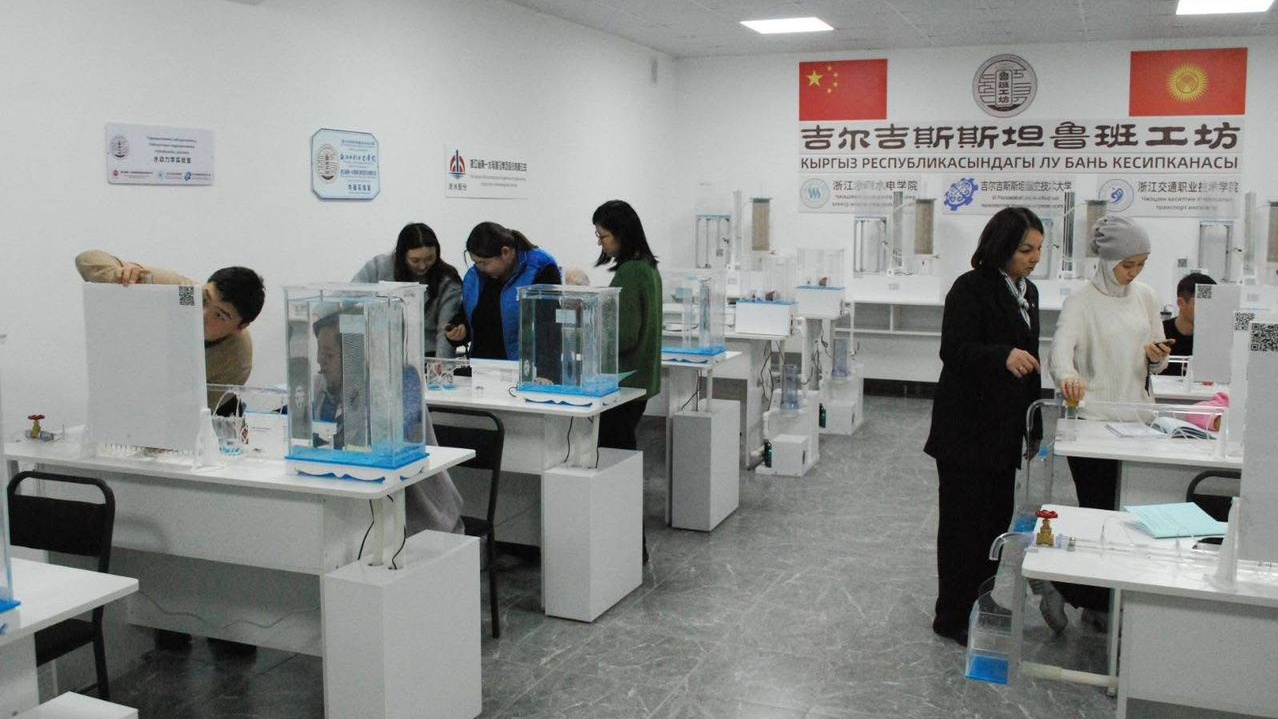

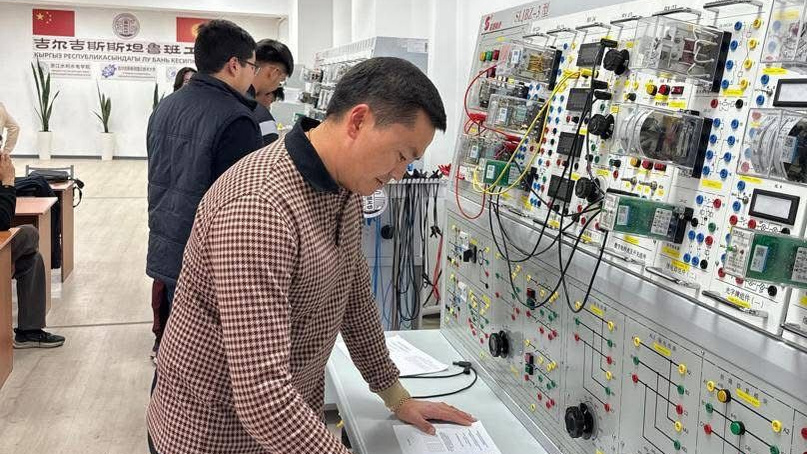
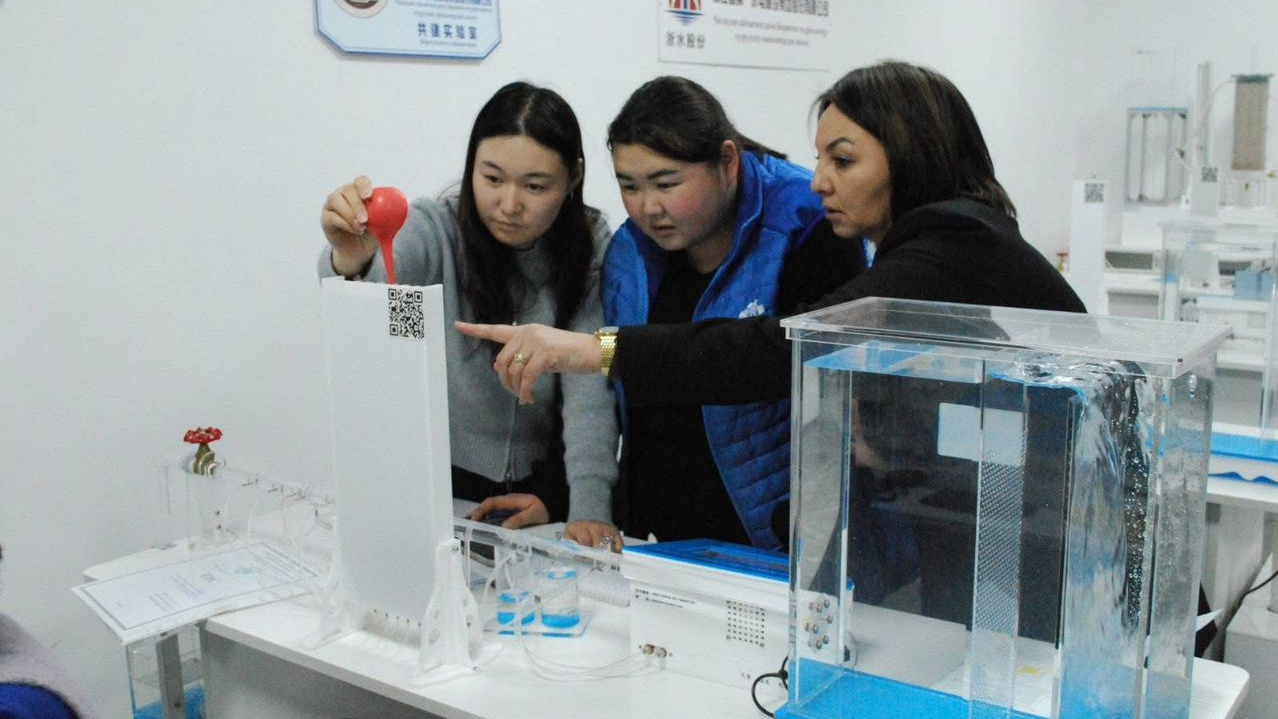

Prospects: In recent years, hydraulics-related professions have become much more in demand. Today, specialists are faced with the challenge of integrating and combining hydraulics and electrical engineering in their work.Hydraulics refresher courses focused on the water sector (including construction and agriculture) have significant potential as they are needed to address issues of sustainable water use, optimize water conservation, and manage water resources.This is particularly relevant in the context of climate change and requires the use of modern IT skills and digital technologies for modeling and analyzing flows.
Digitalization of the energy sector: Automation is a core component of modern smart plants, while hydraulic systems continue to serve as the foundation for controlling hydro turbines and associated equipment.
Increased efficiency: Knowledge in the field of automation helps to optimize the operating modes of hydroelectric power plants and increase their efficiency, which is an important aspect for ensuring competitiveness.
Knowledge Upgrade: Acquire new competencies that meet current industry requirements. Professional Growth: Enhance your skills, which can lead to career advancement. Official Confirmation: A certificate of the established format is issued.
Participation in the one-day workshop "Equanomics" as part of the United Nations Development Programme (UNDP) initiative in Kyrgyzstan
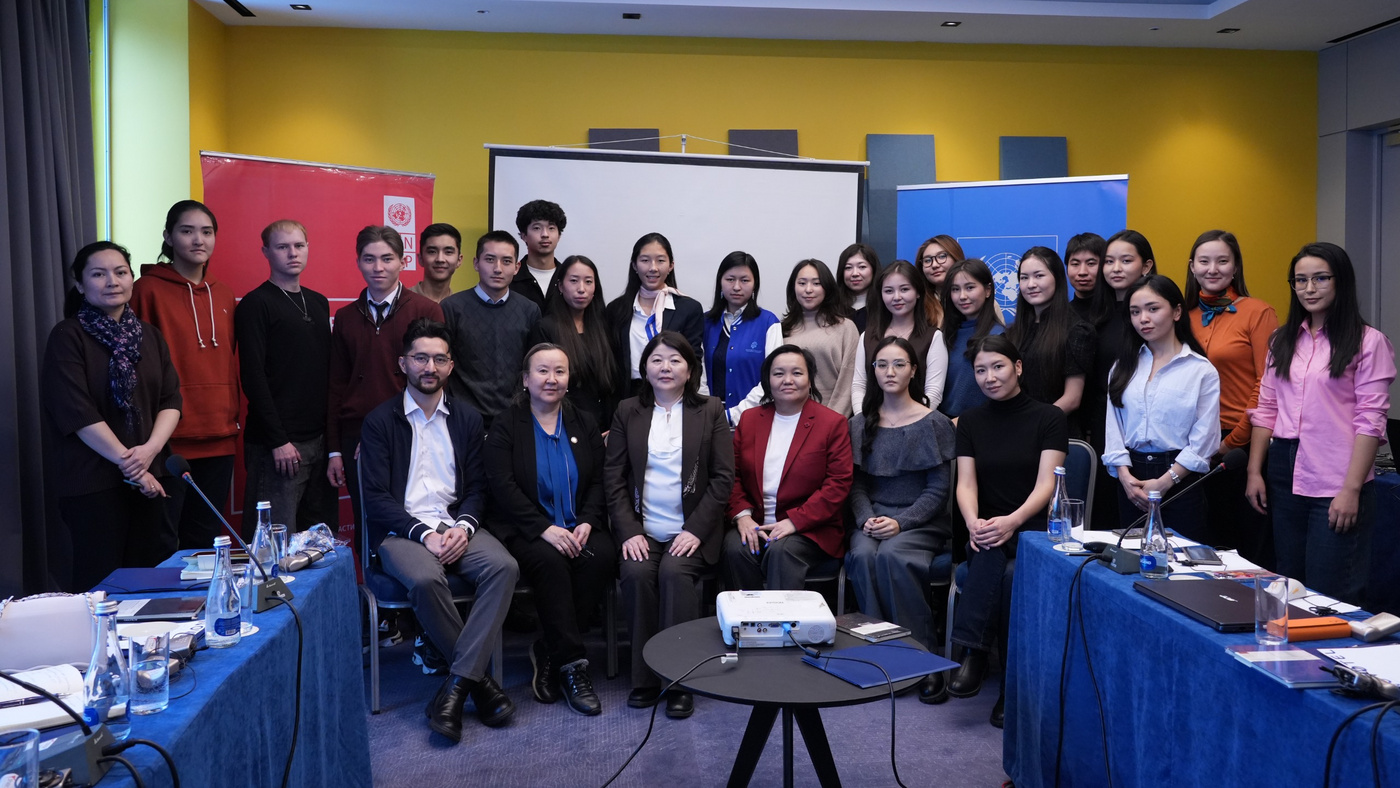
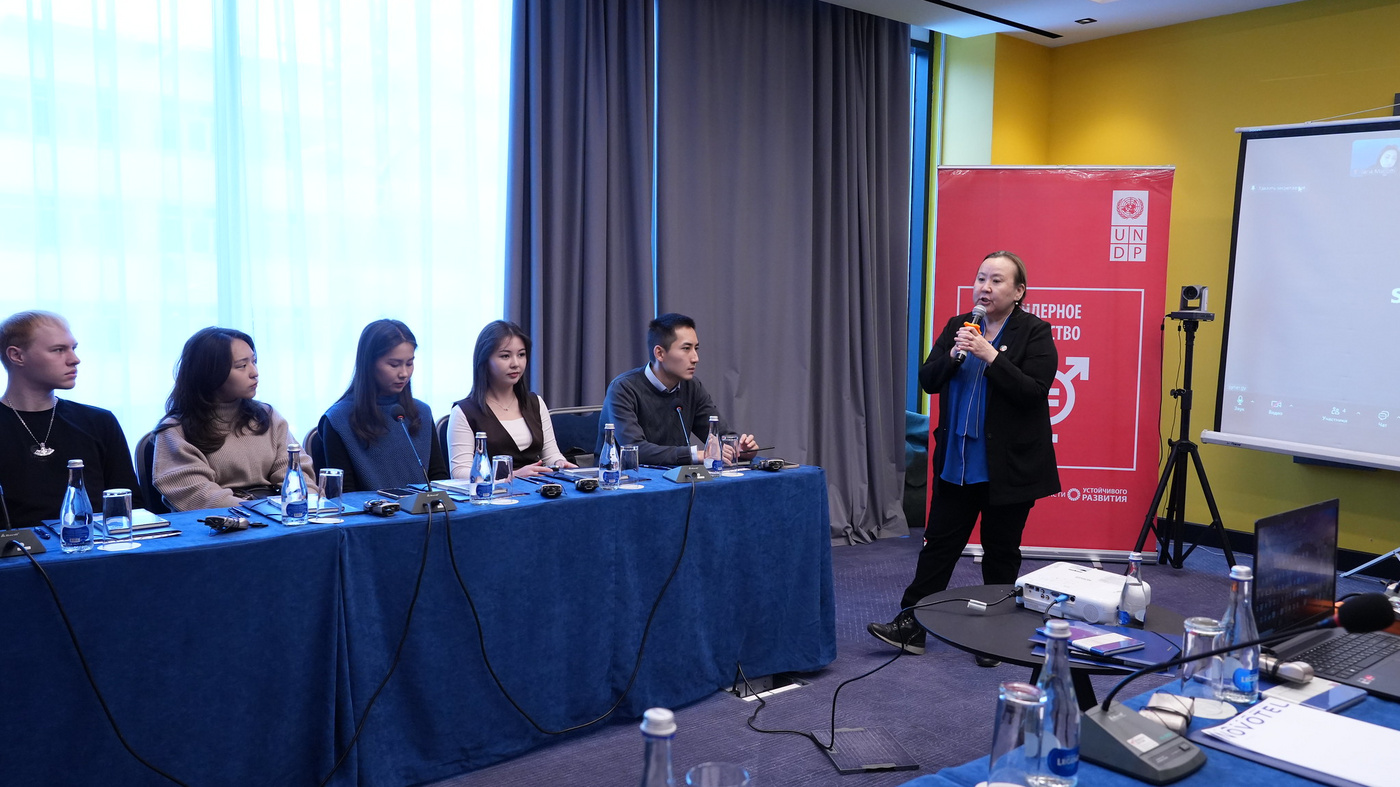
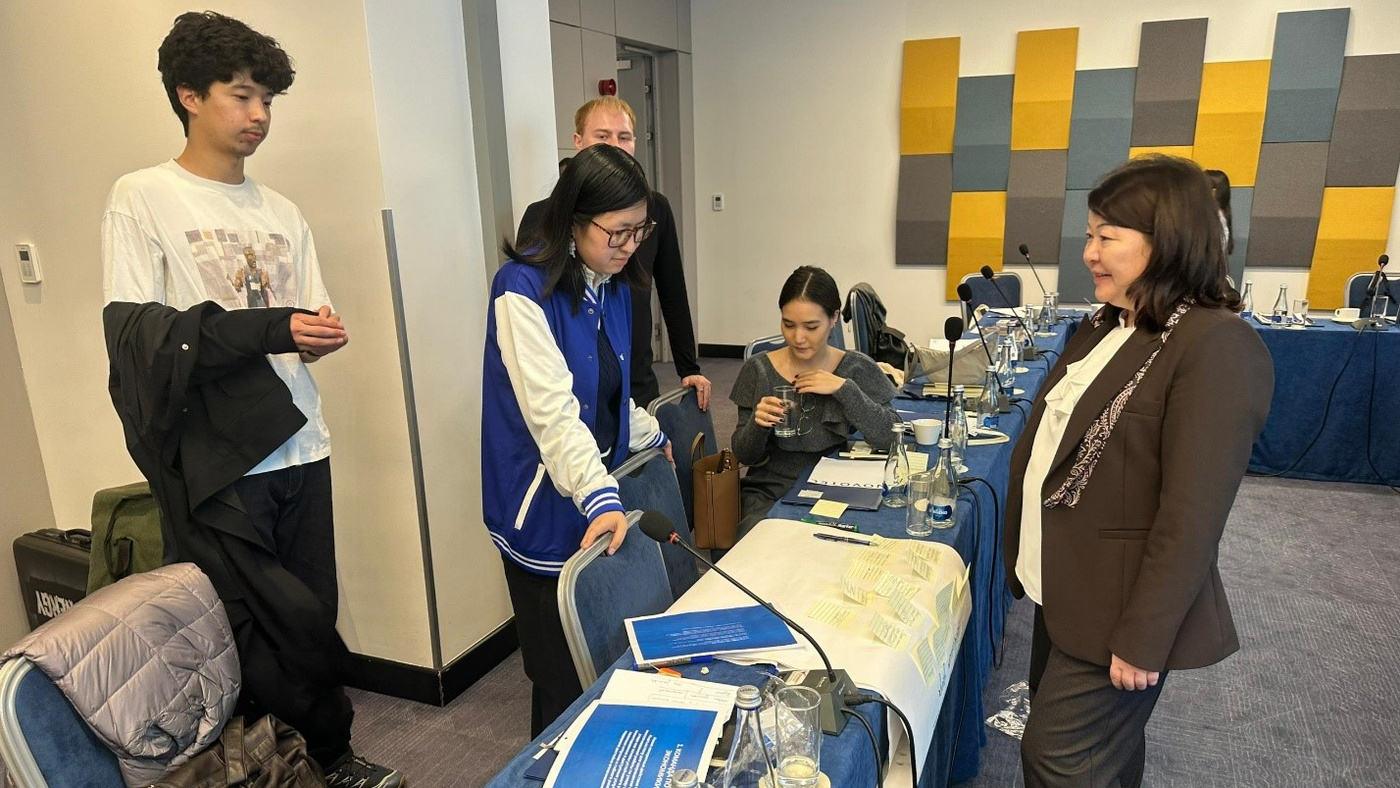
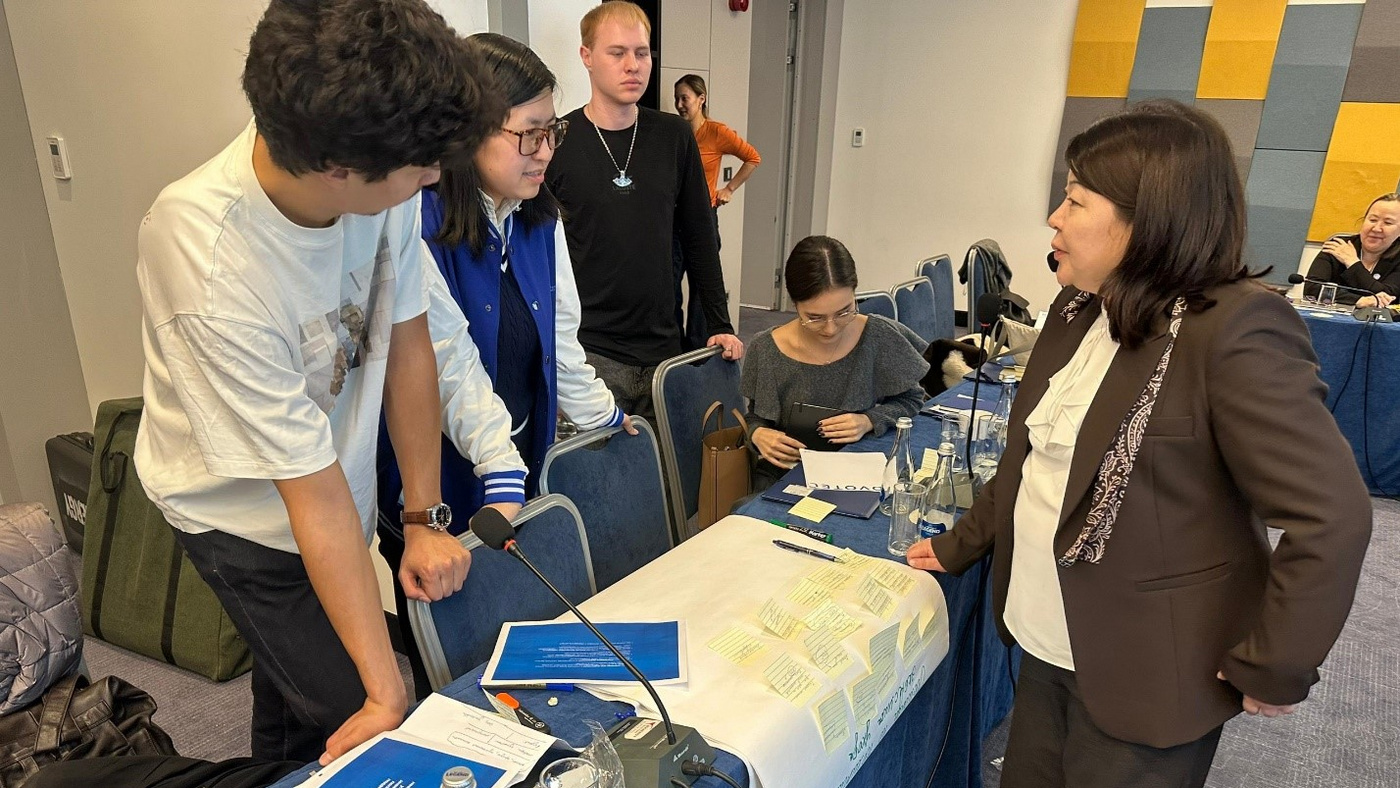
On December 19, 2025, Erkinbek kyzy Begayim, a fourth-year student in the WR-1-22 group majoring in Water Resources and Water Use, took part in a one-day workshop entitled “Equanomics,” organized as part of the United Nations Development Program (UNDP) initiative in Kyrgyzstan
The workshop aimed to provide practical insight into modern approaches to developing sustainable, inclusive, and socially oriented economic policy, as well as to develop analytical thinking and interdisciplinary collaboration skills.
During the workshop, participants learned the fundamentals of economic planning and financing, and examined the principles of gender-responsive budgeting and the care economy as tools for sustainable development. Particular attention was paid to water economics, water resource management, and ecology, including:
Assessment and rational use of water resources in Kyrgyzstan; Economic assessment of the cost of water services and their integration into budgeting; The impact of climate change and the degradation of aquatic ecosystems on the country's socioeconomic development;
Linking water resources with energy, agriculture, and urban water supply; Developing mechanisms for efficient water use and environmentally sound management of water bodies.
Erkinbek kyzy Begayim actively participated in discussions and initiatives, made proposals for taking water resources and environmental constraints into account when formulating economic policy, and participated in the collective development of practical solutions.
Participation in this workshop contributed to the deepening of professional knowledge, the development of practical skills in environmental and economic analysis, and the formation of a comprehensive understanding of the relationship between economics, ecology, and water resources management.





A seminar for students on the topic: "Monitoring and inspection of hydraulic structures for their safety"
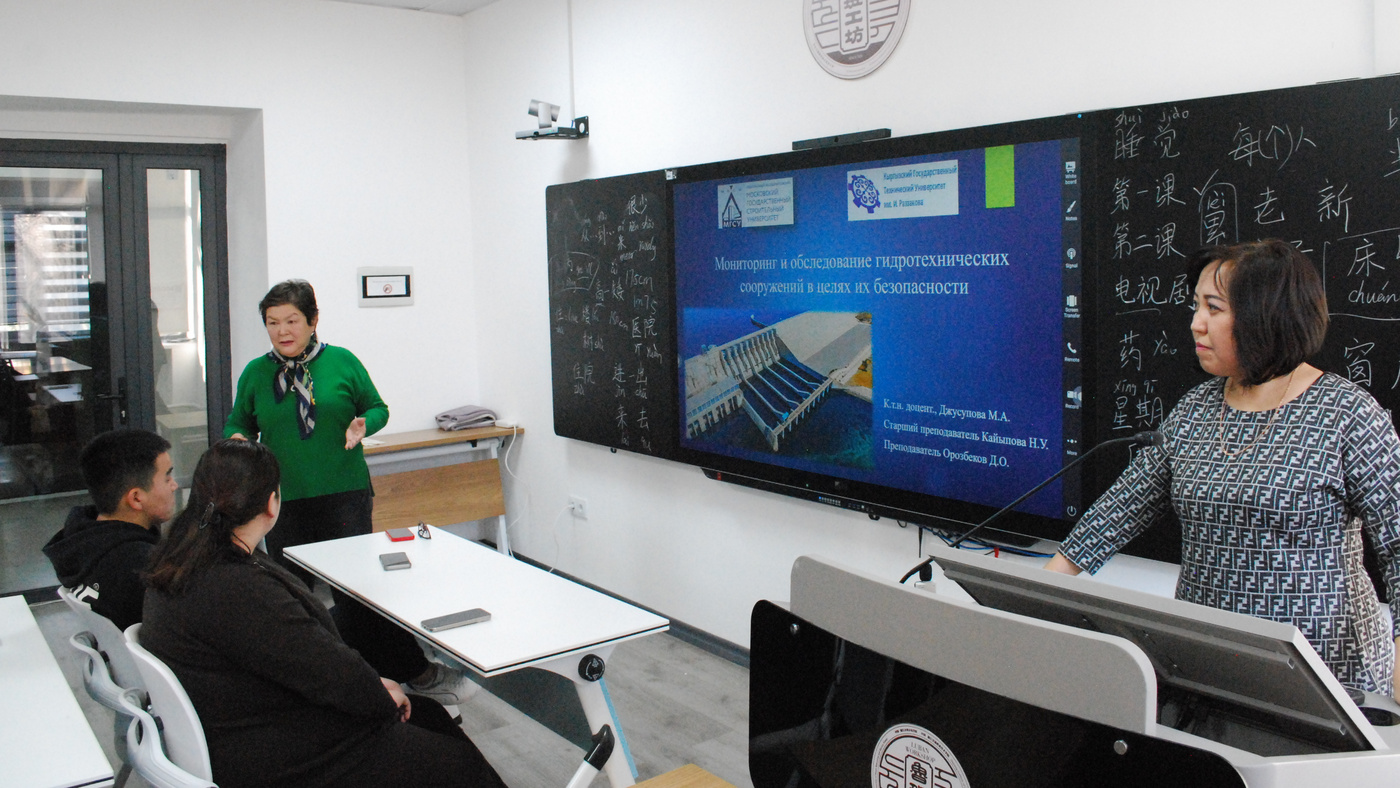
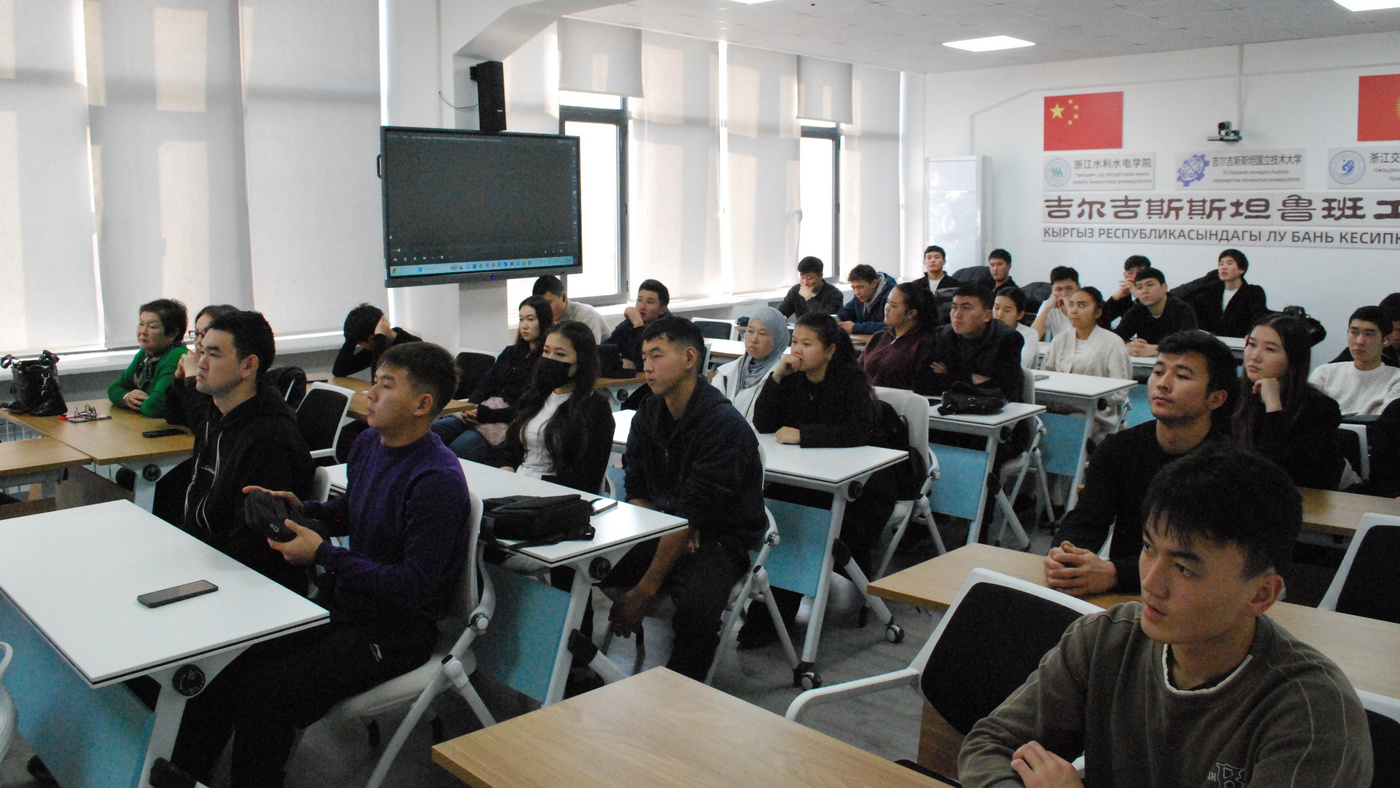
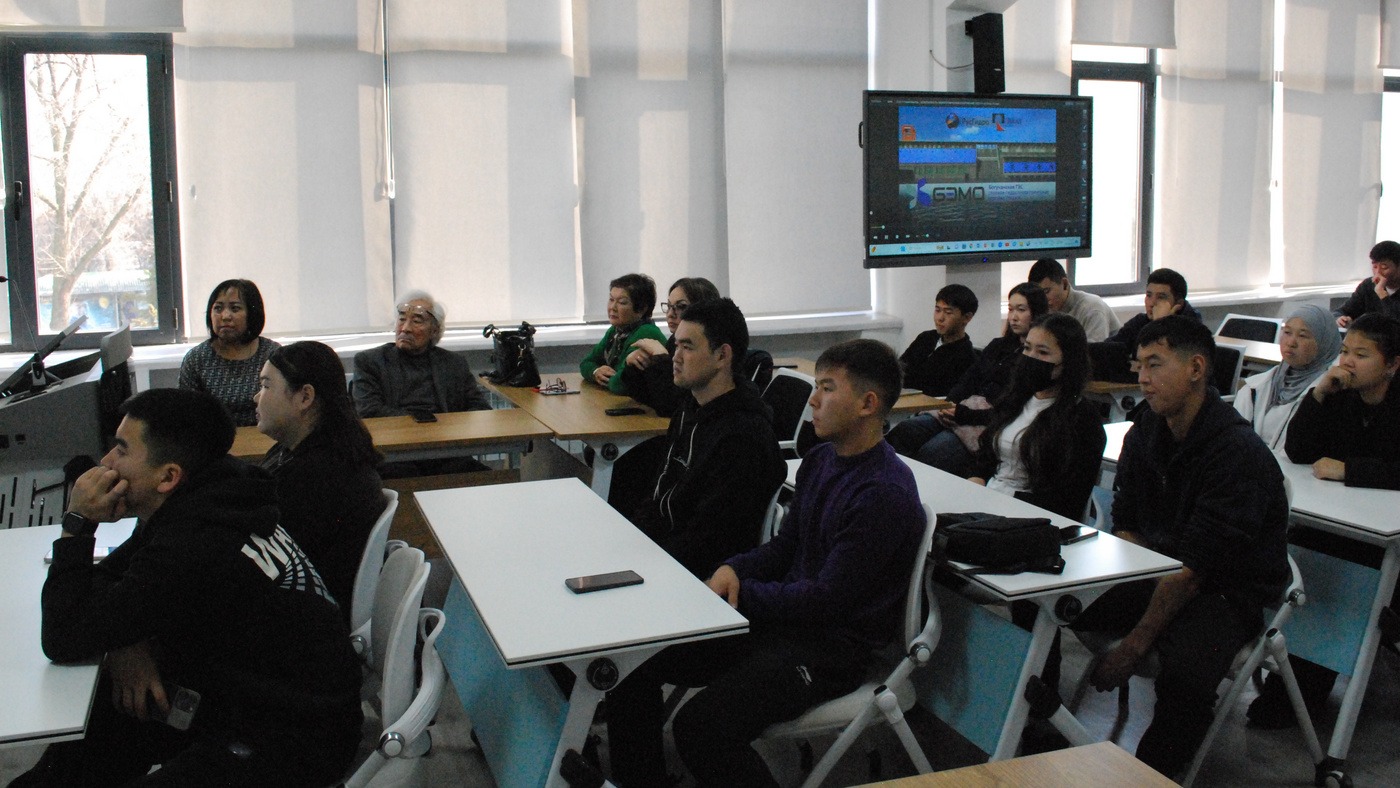
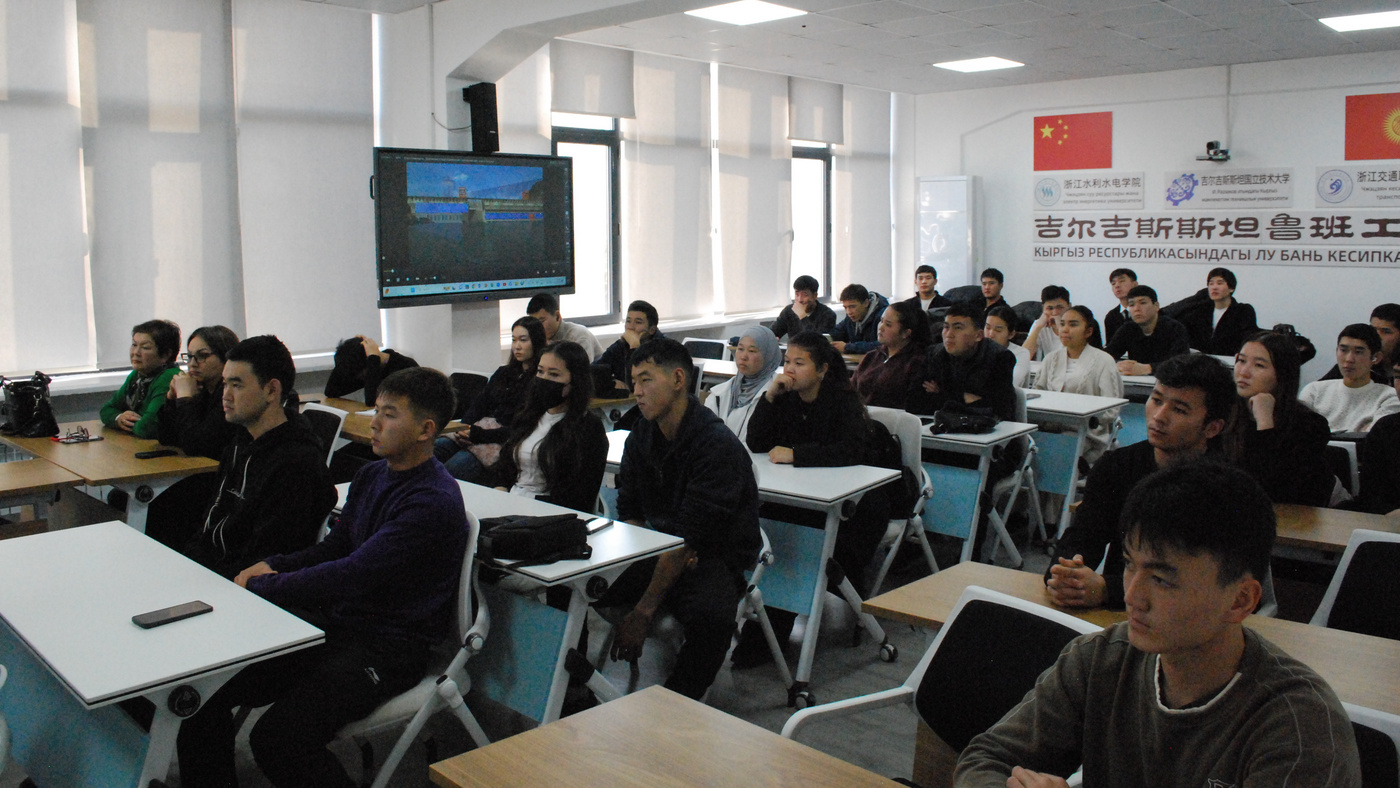
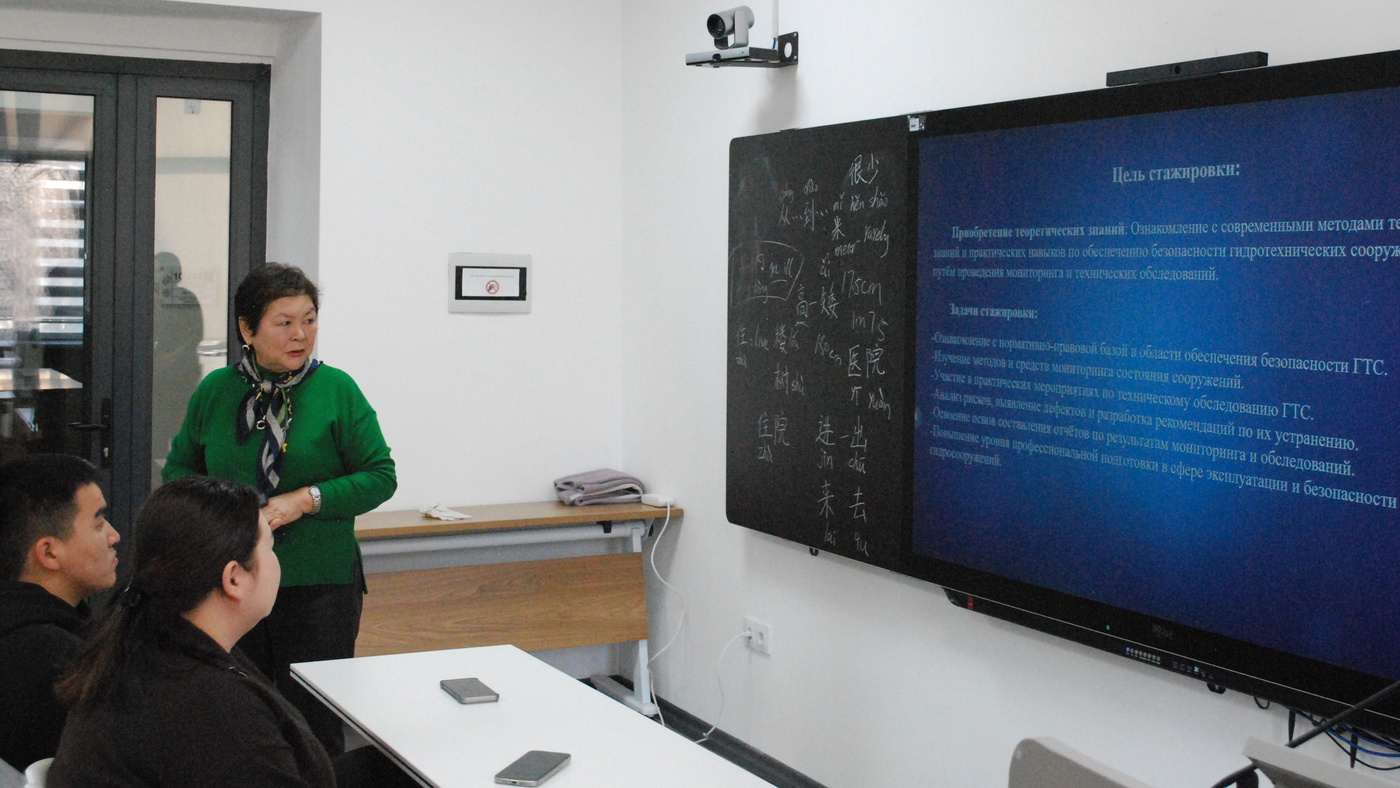
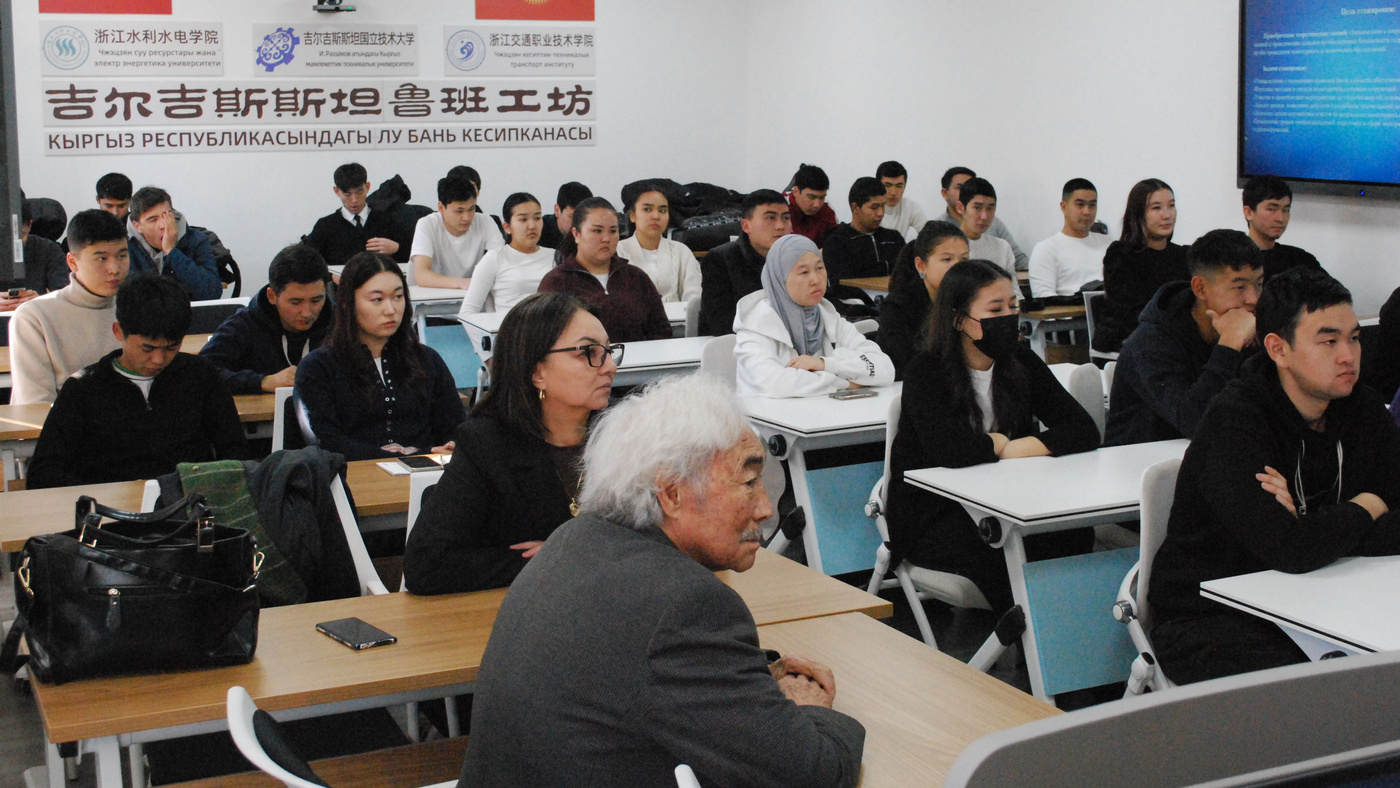
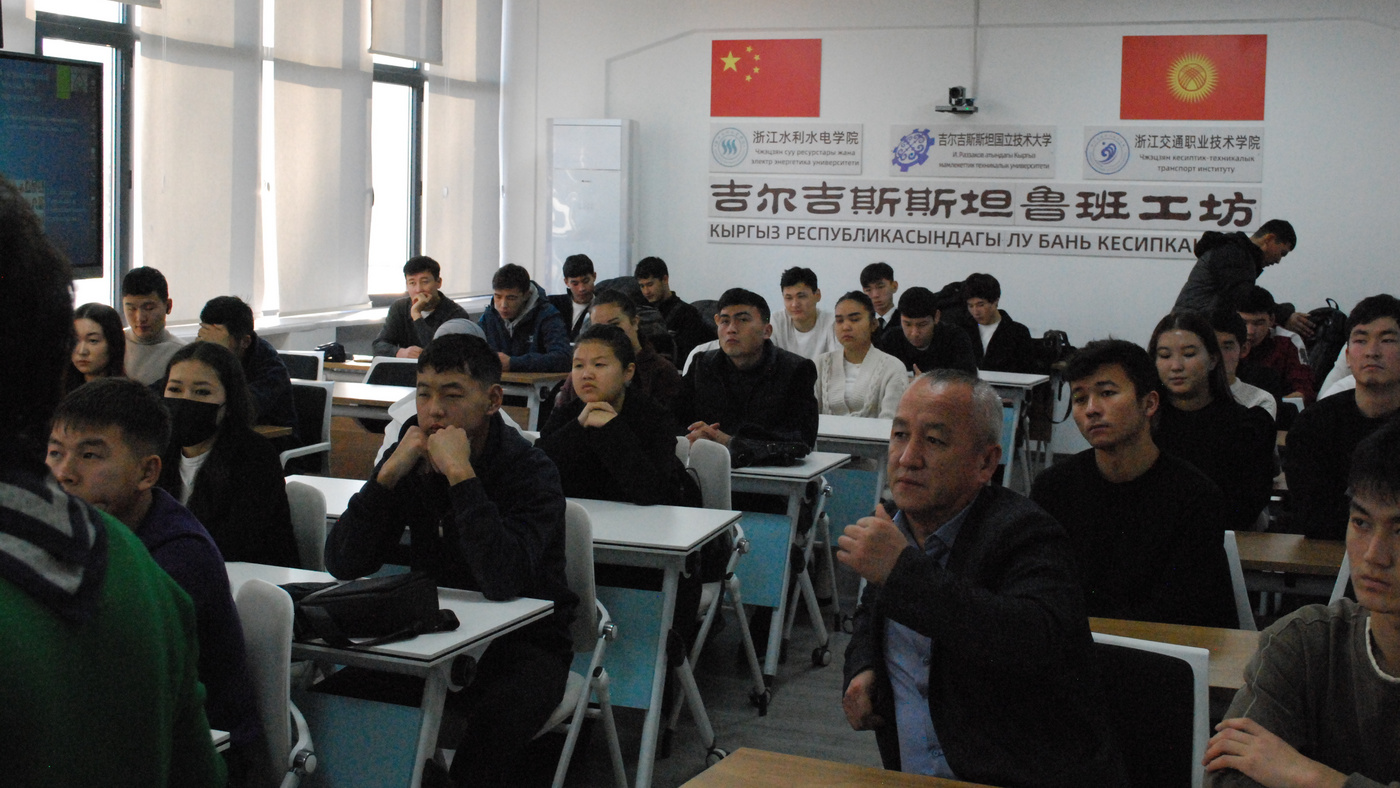
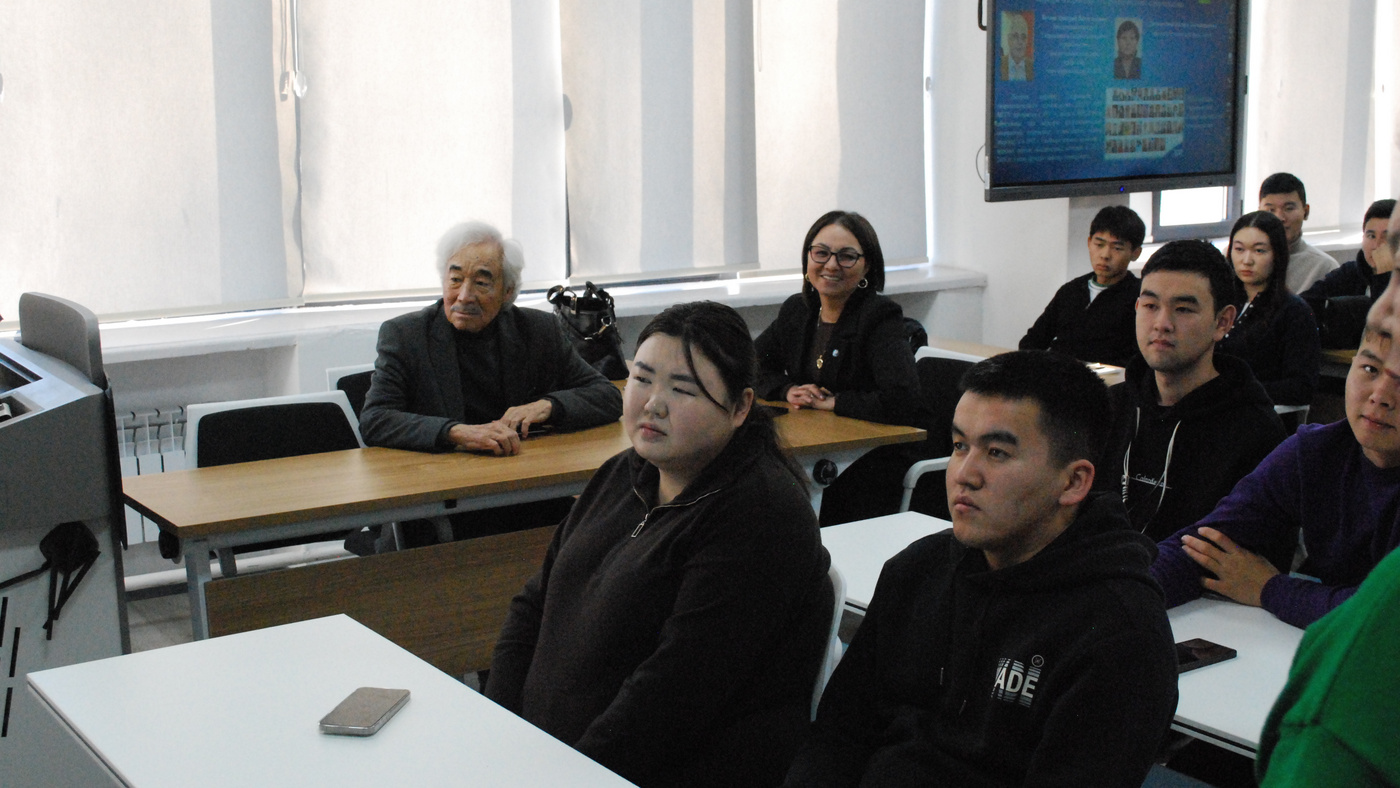
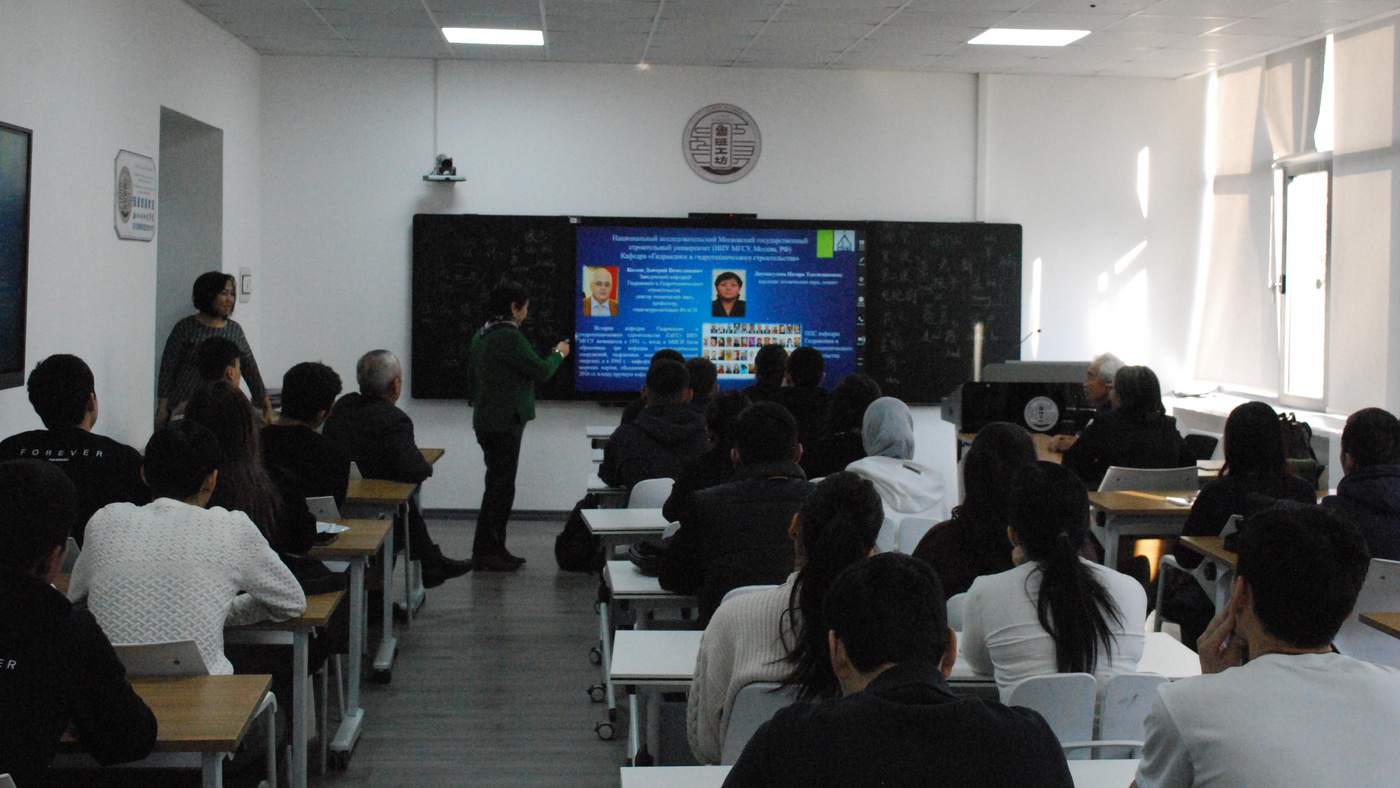
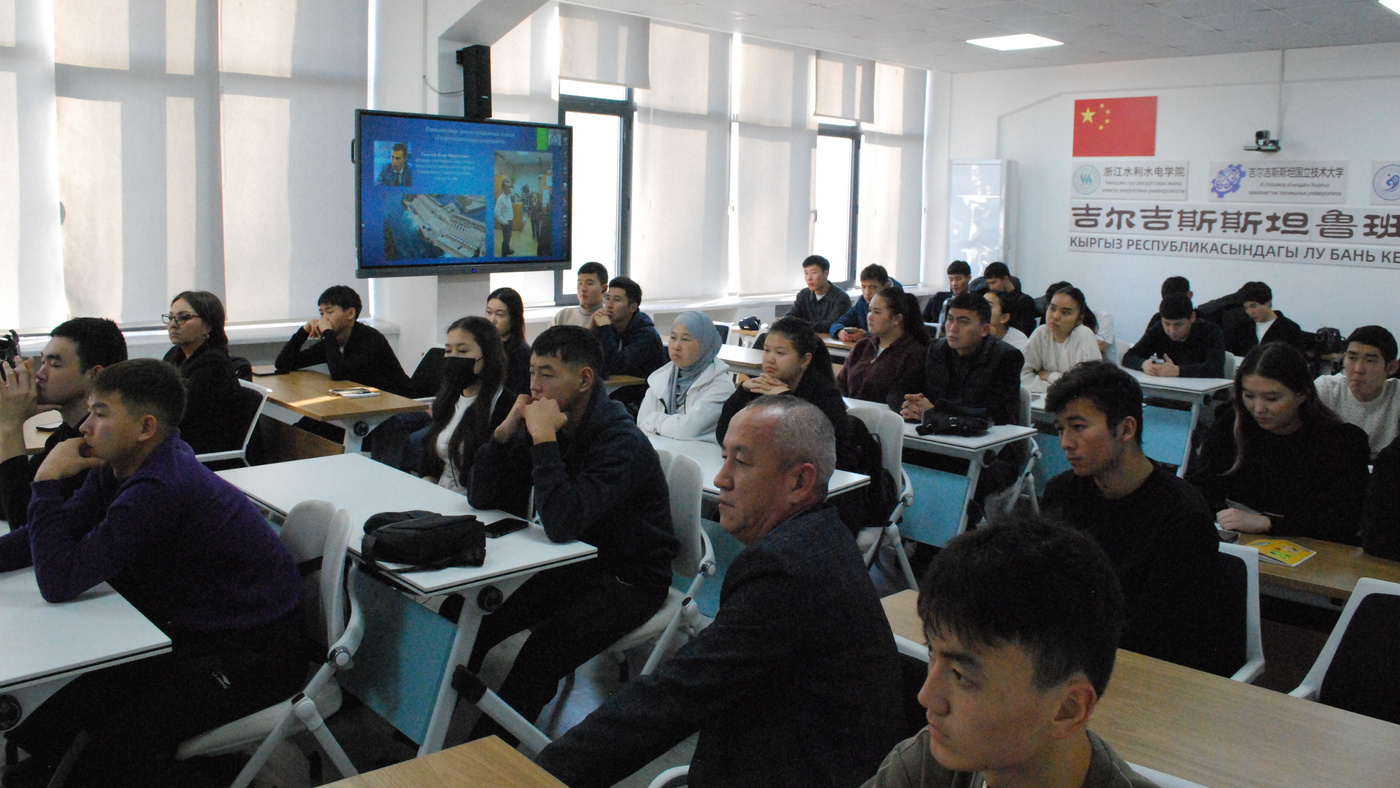
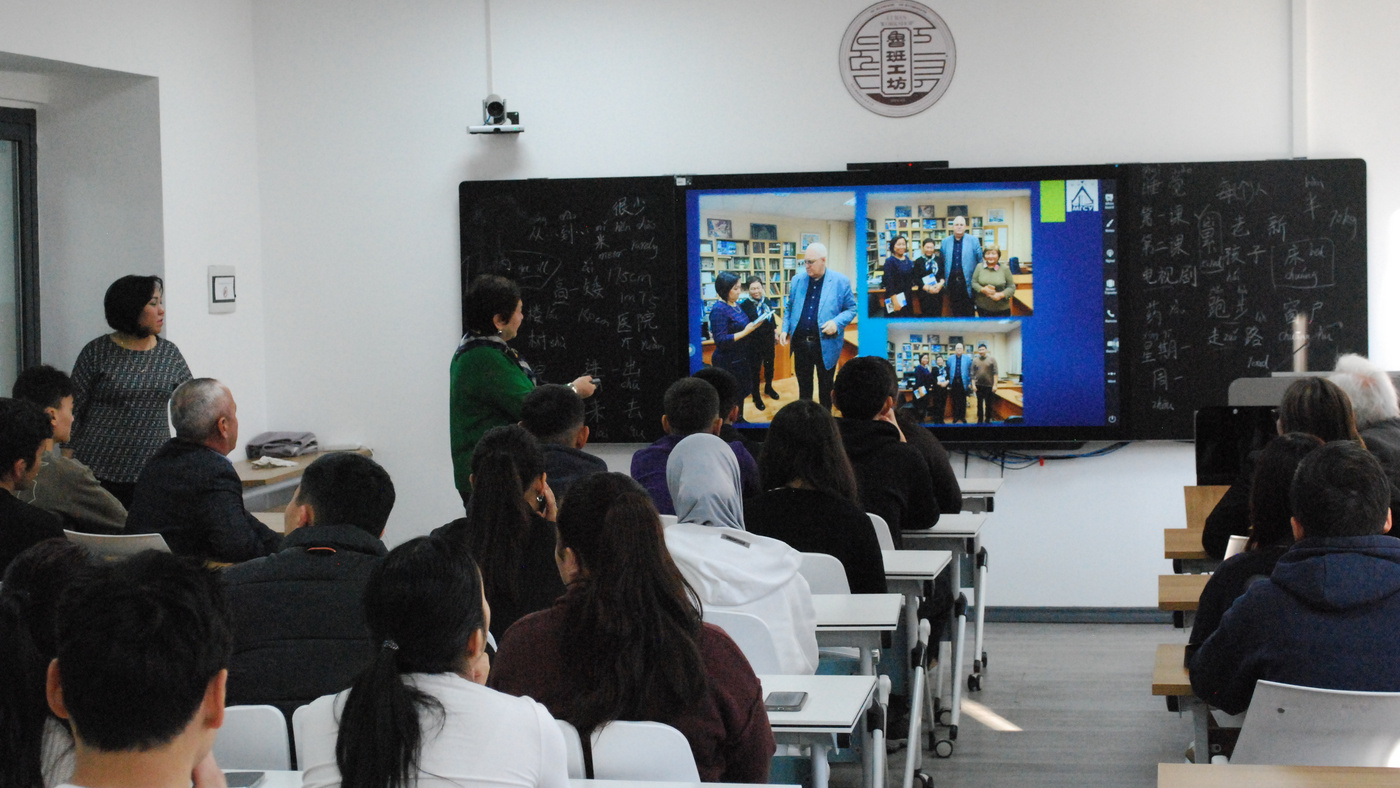
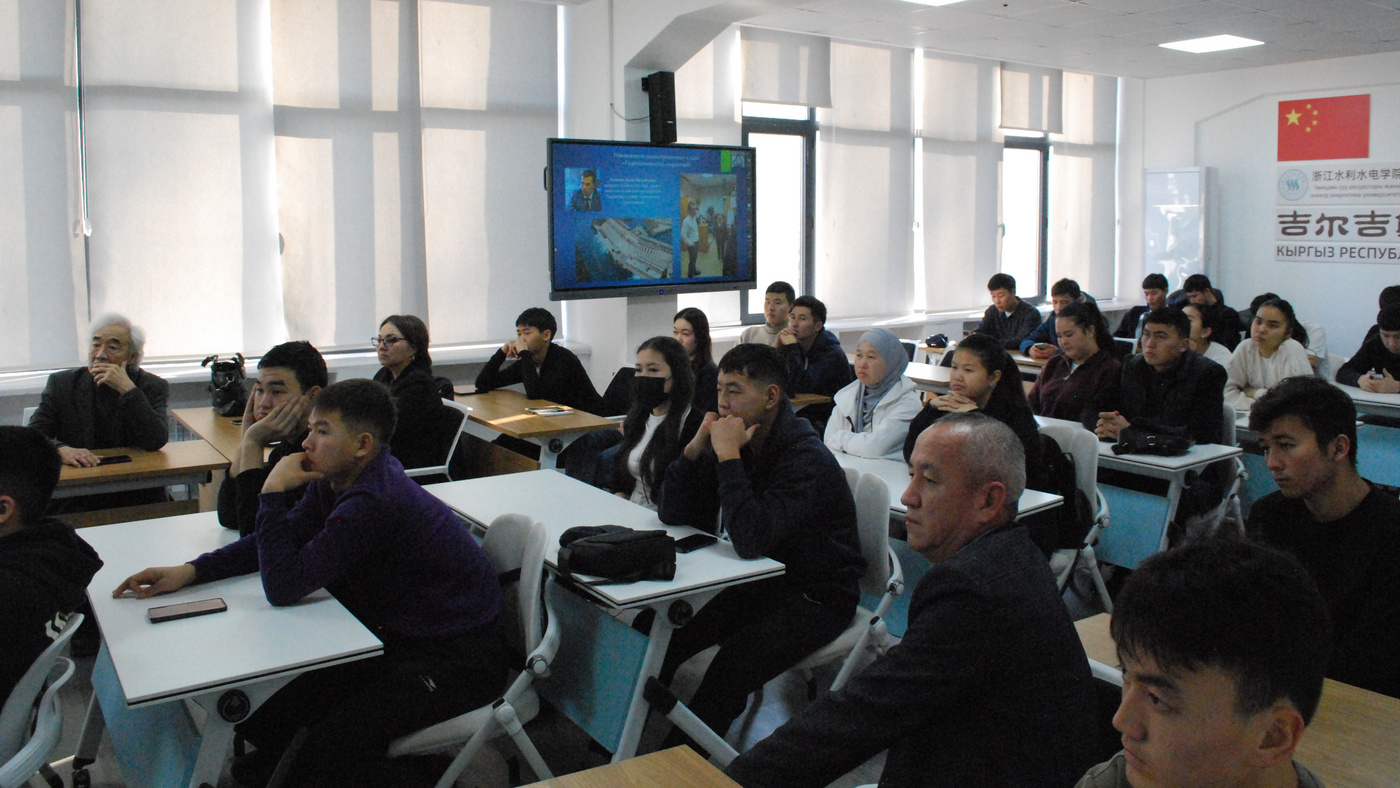
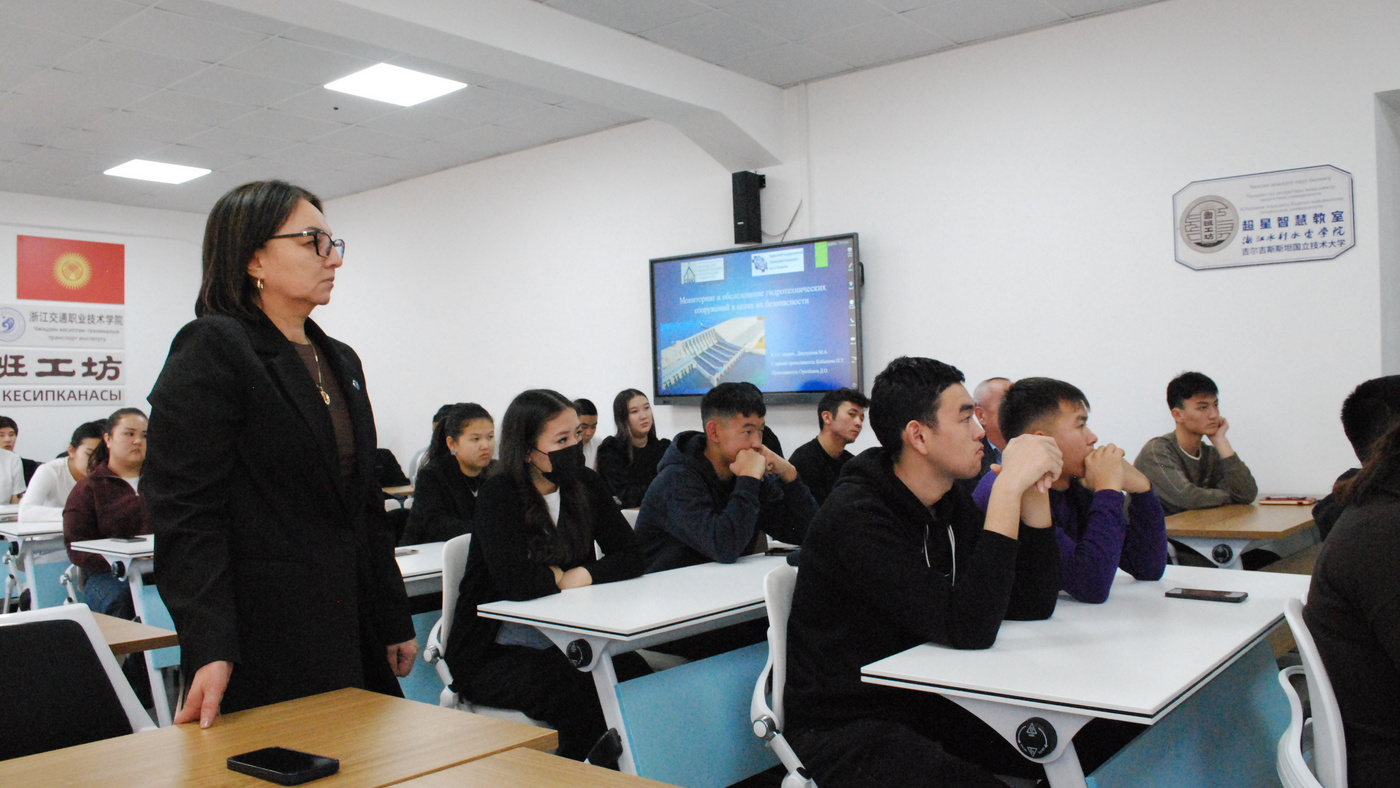
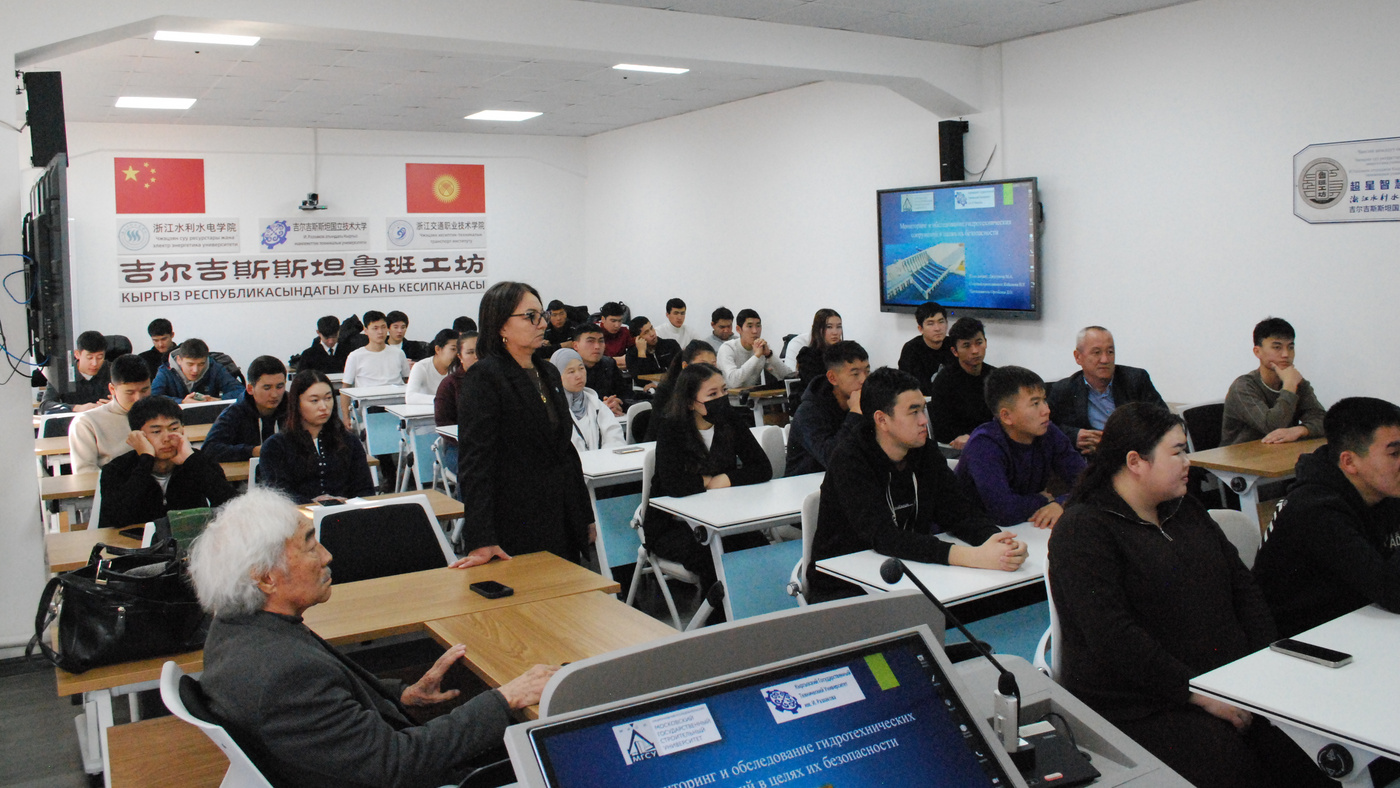
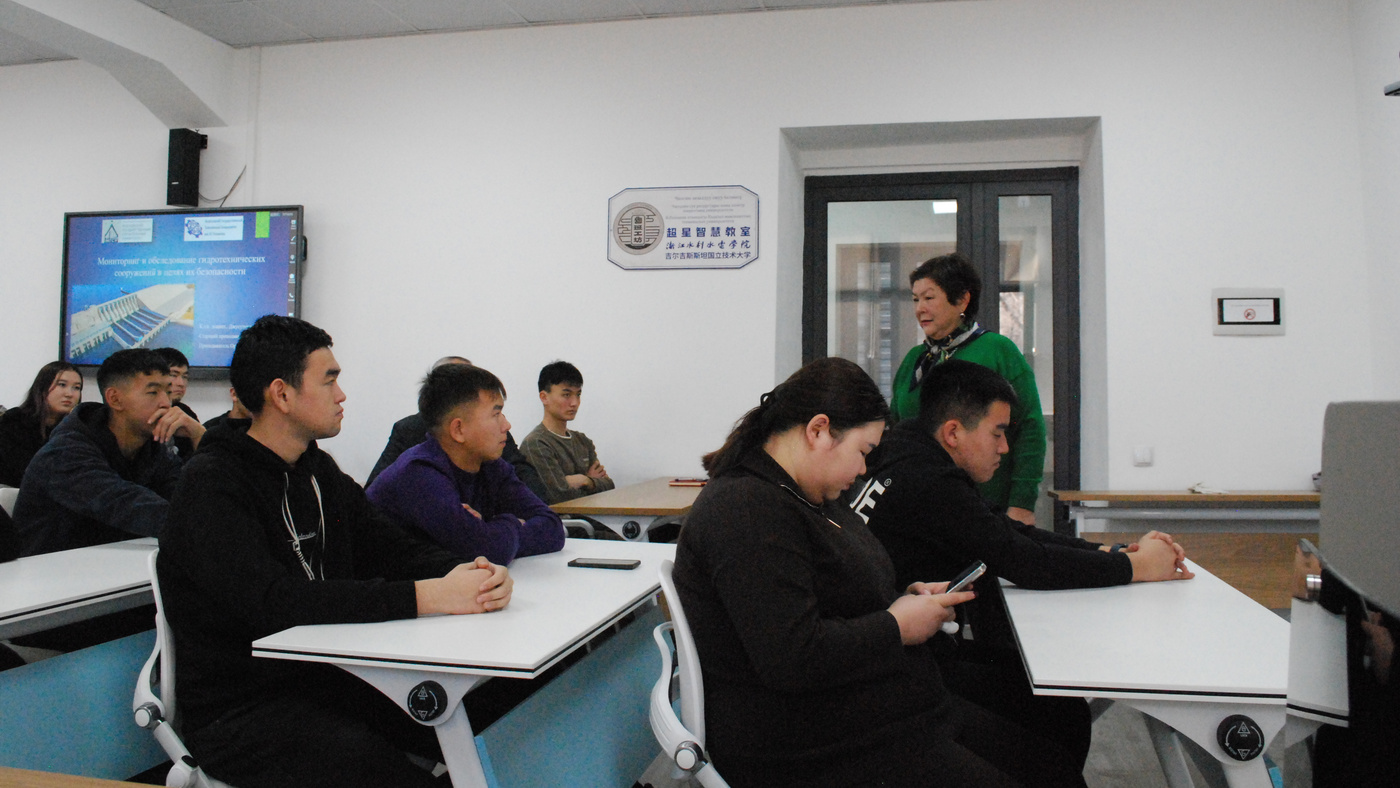
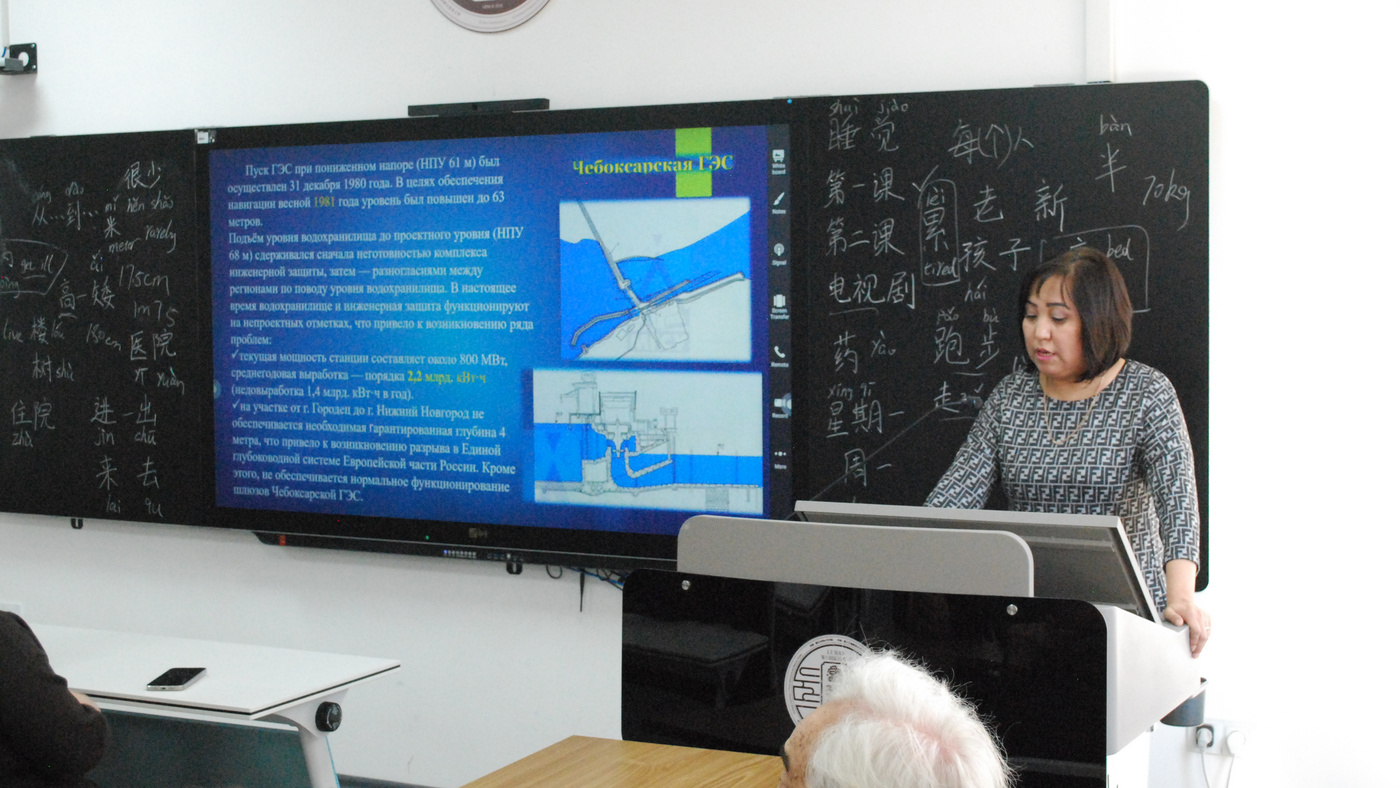
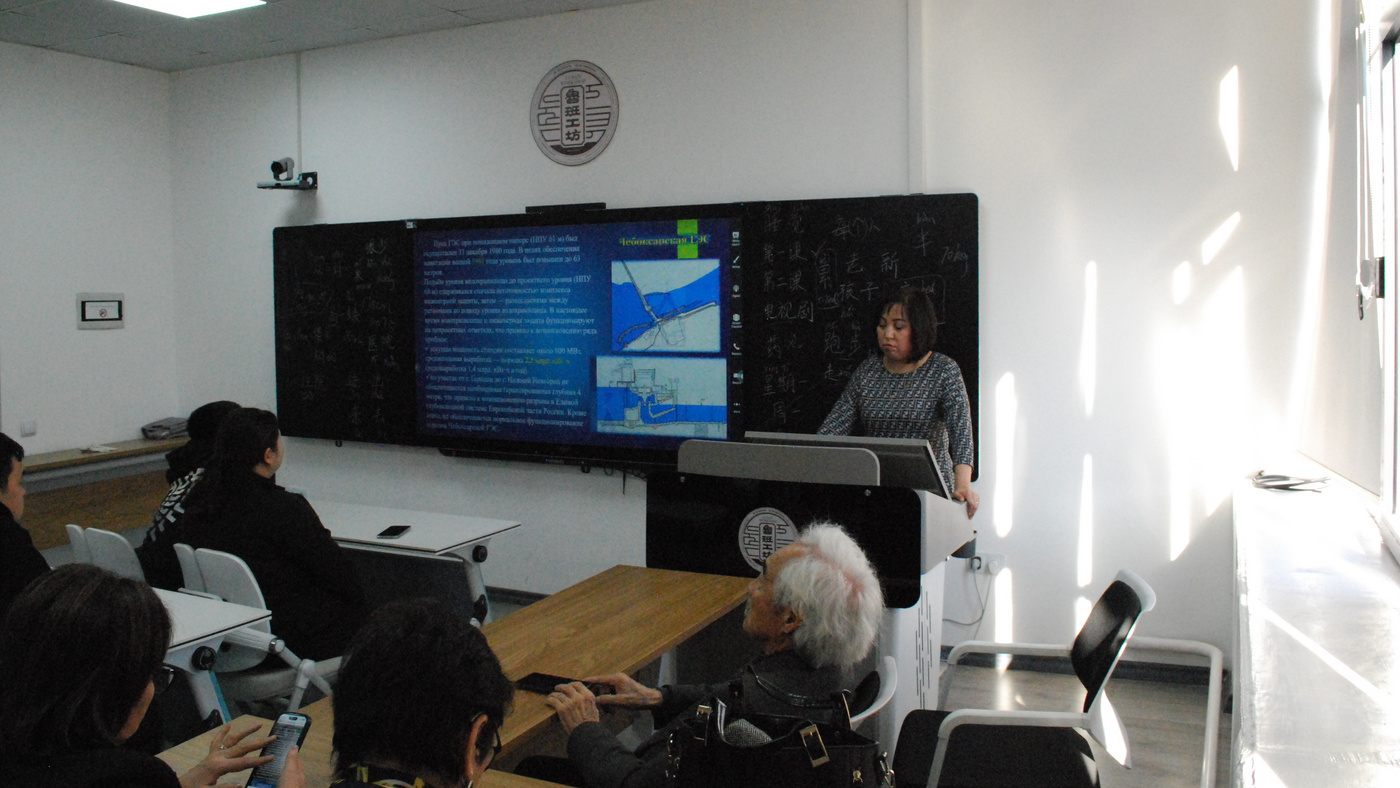
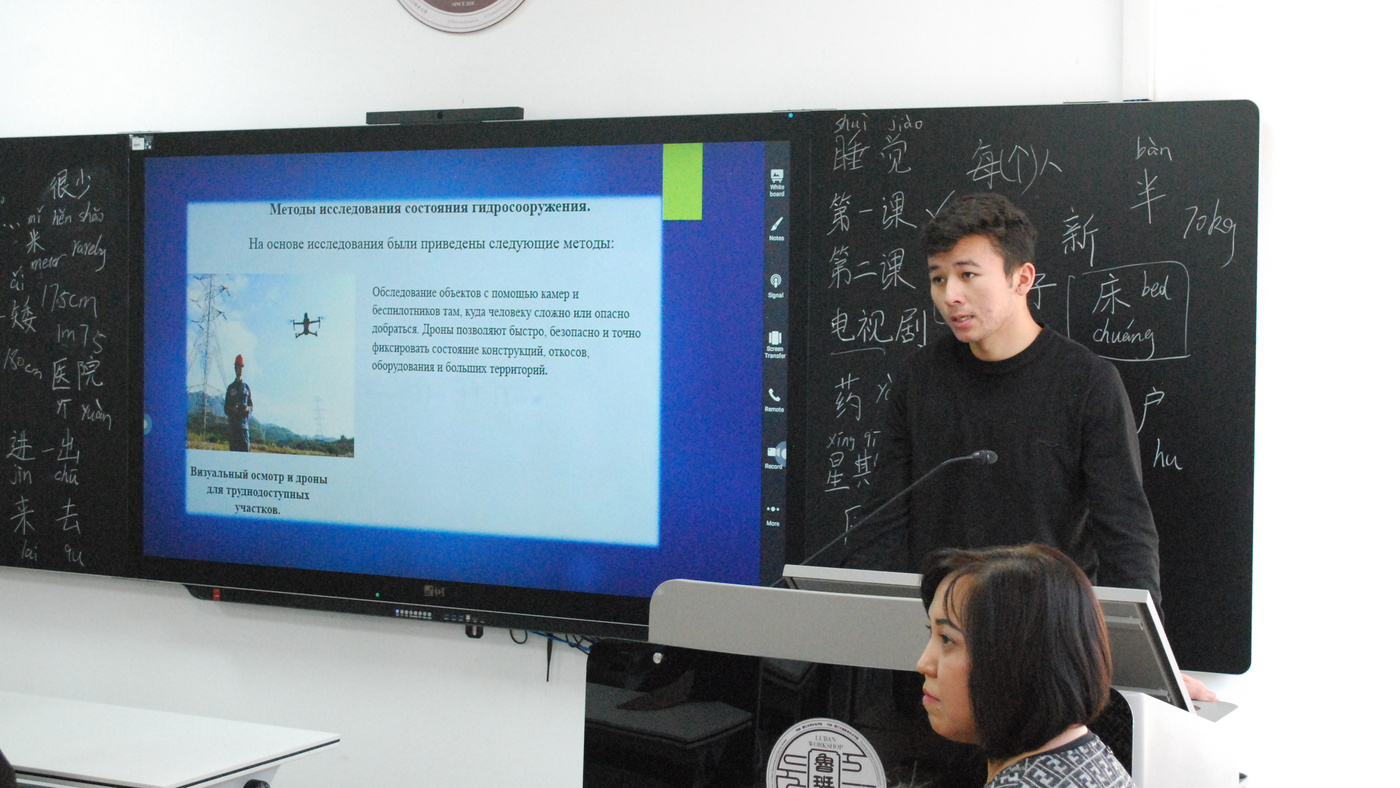
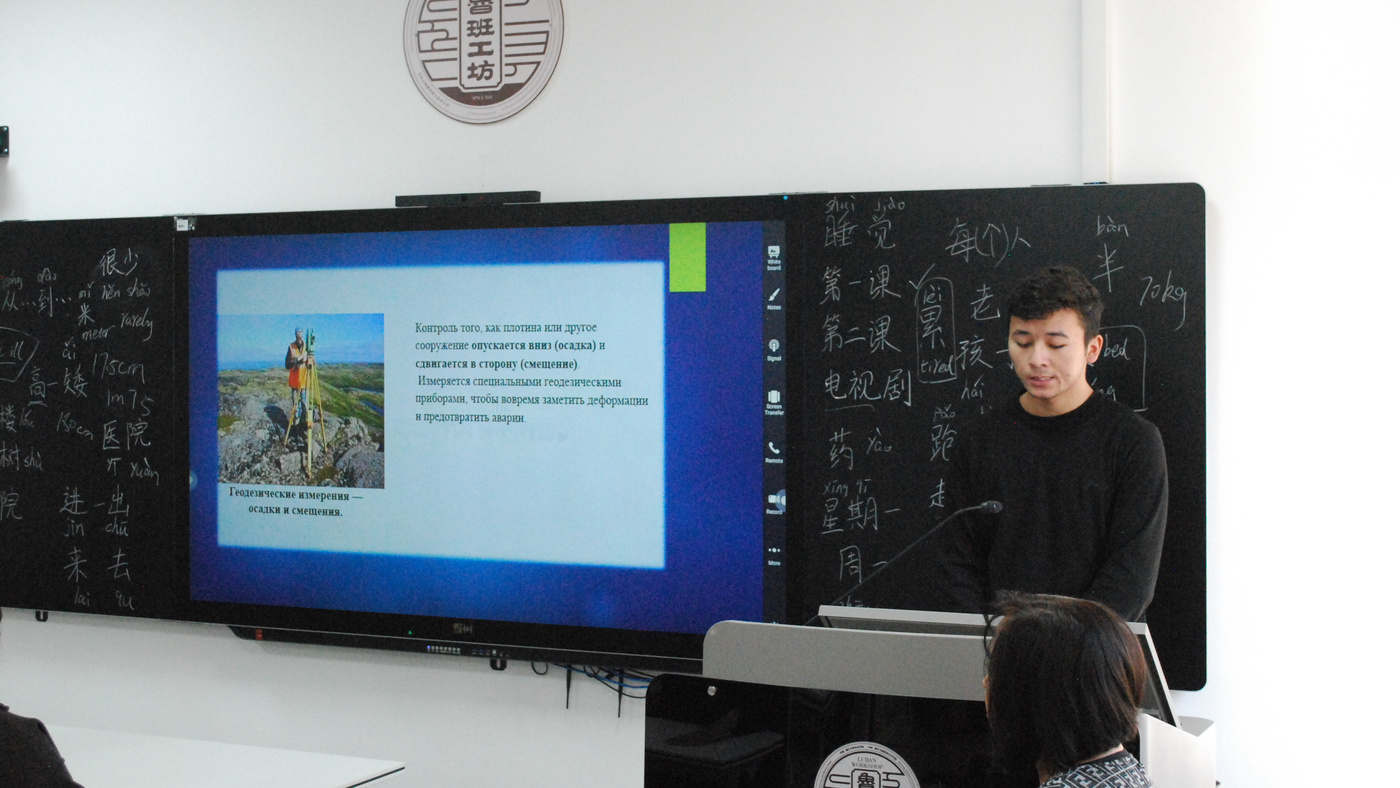
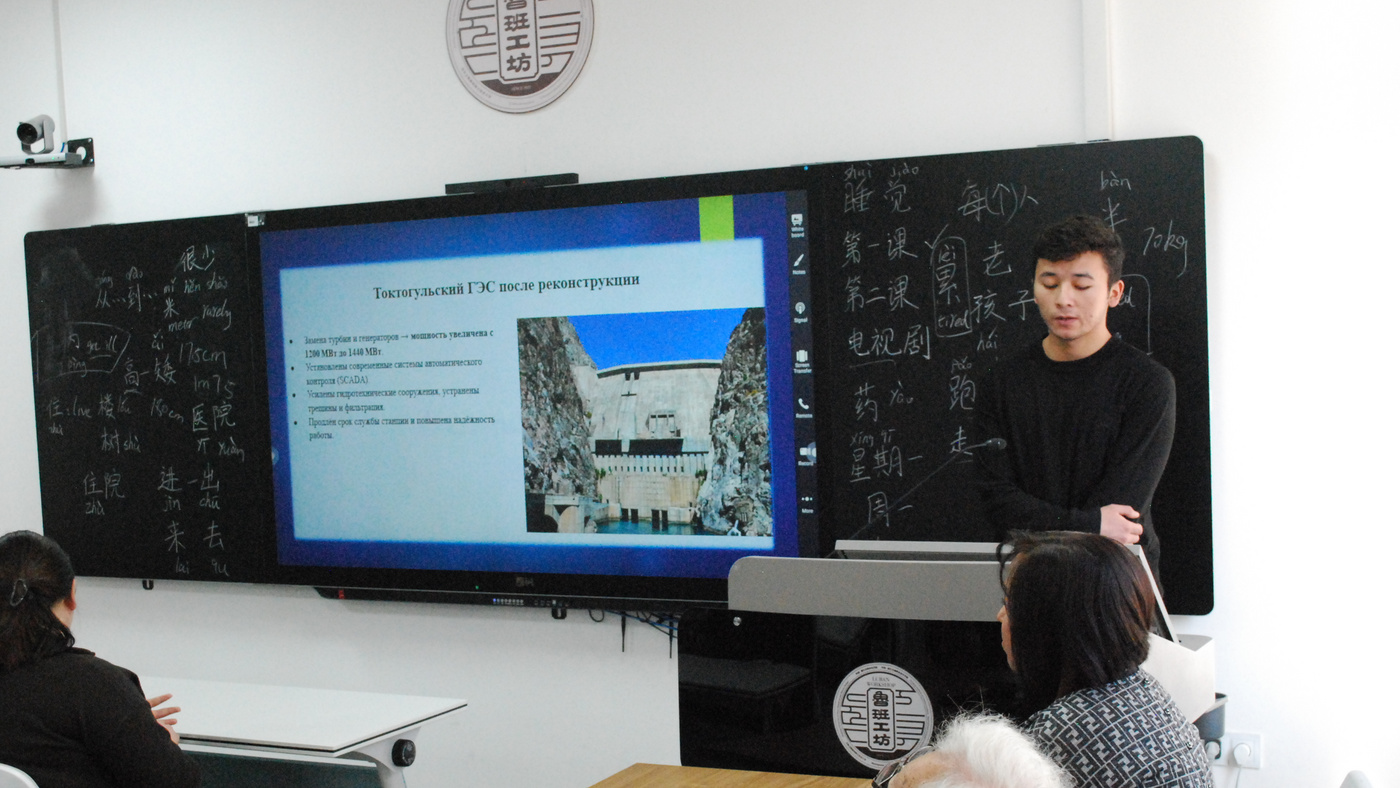
On December 16, 2025, the department held a seminar for students majoring in 750500 "Hydraulic Engineering" and 760100 "Water Resources and Water Use" on the topic "Monitoring and Inspection of Hydraulic Structures for Their Safety."
The purpose of the seminar is to develop modern methods and automated systems for inspecting hydraulic structures (HS) to improve operational safety, early detection of defects, and timely implementation of measures that will prevent accidents and ensure the reliability of facilities. This includes:
1. Familiarization with the latest methods and modern approaches to hydraulic structure diagnostics.
2. Applying acquired knowledge to ensure the reliable and safe operation of hydraulic structures.
3. Developing measures to prevent emergency situations and making informed decisions regarding their repair and reconstruction.
November 17 to November 30
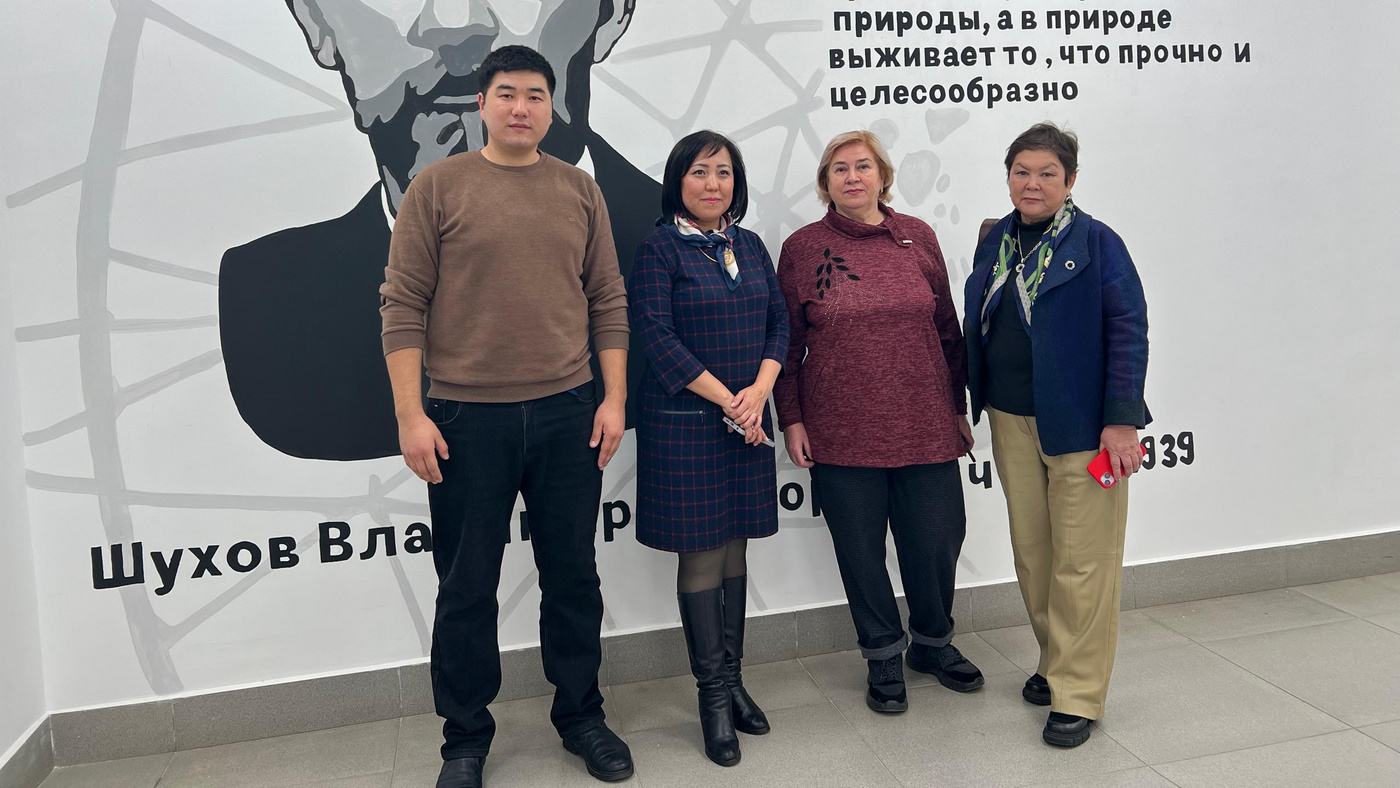
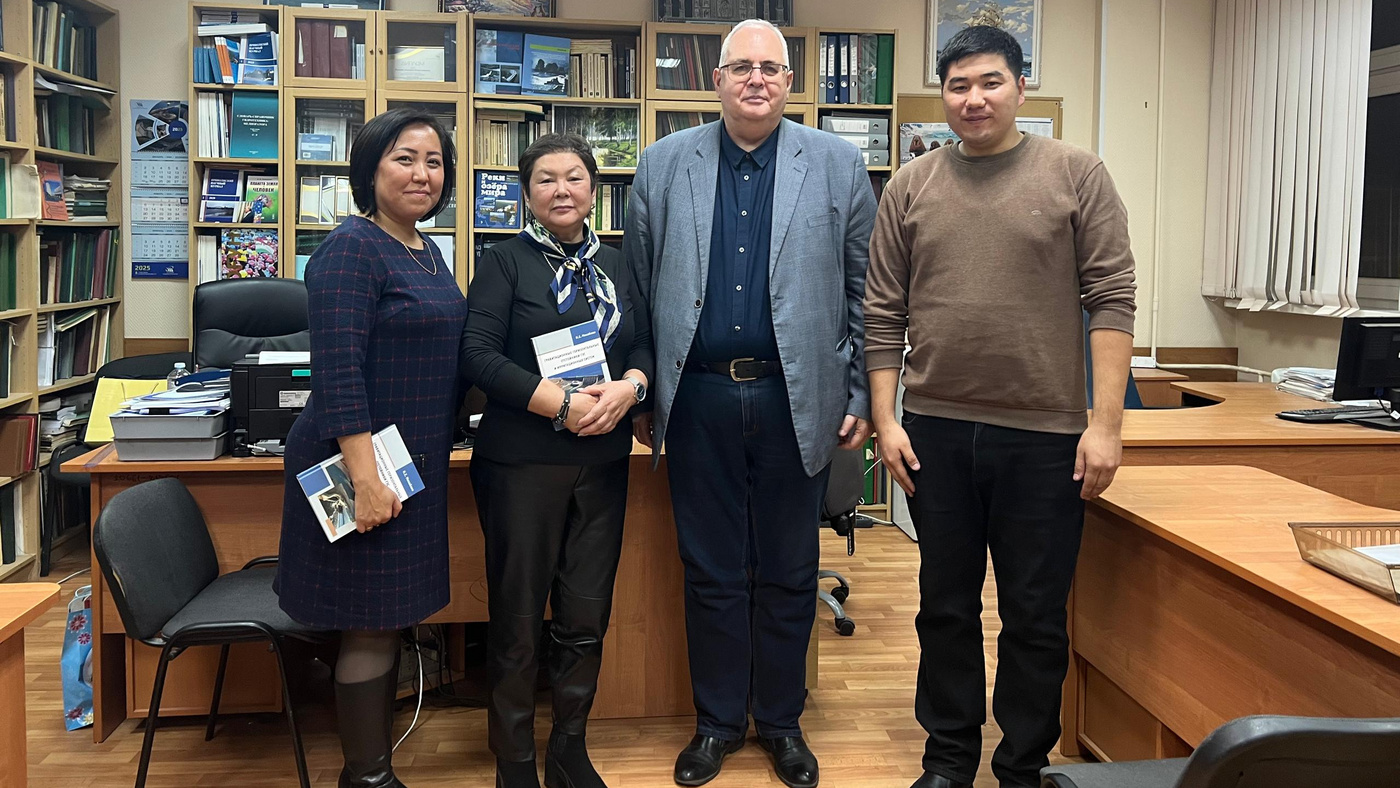
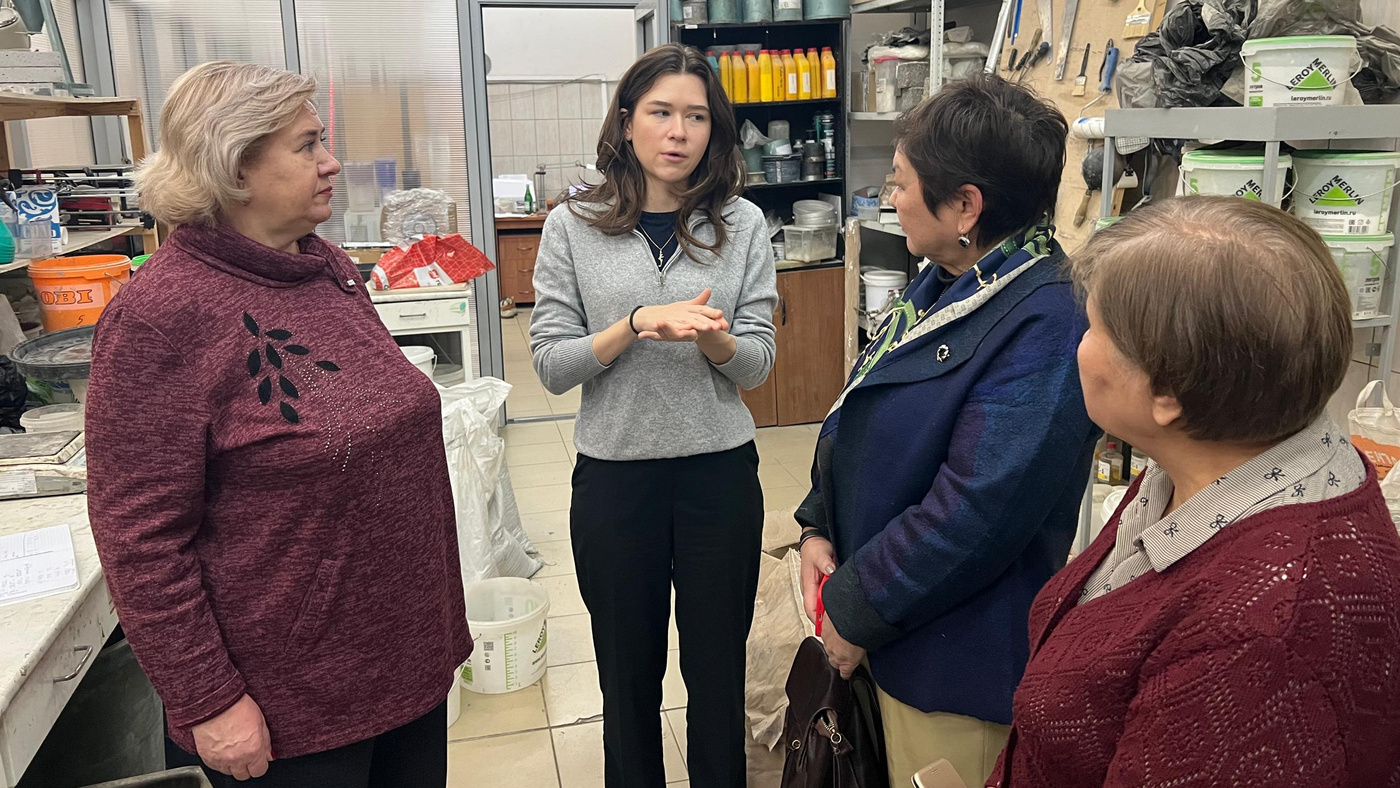
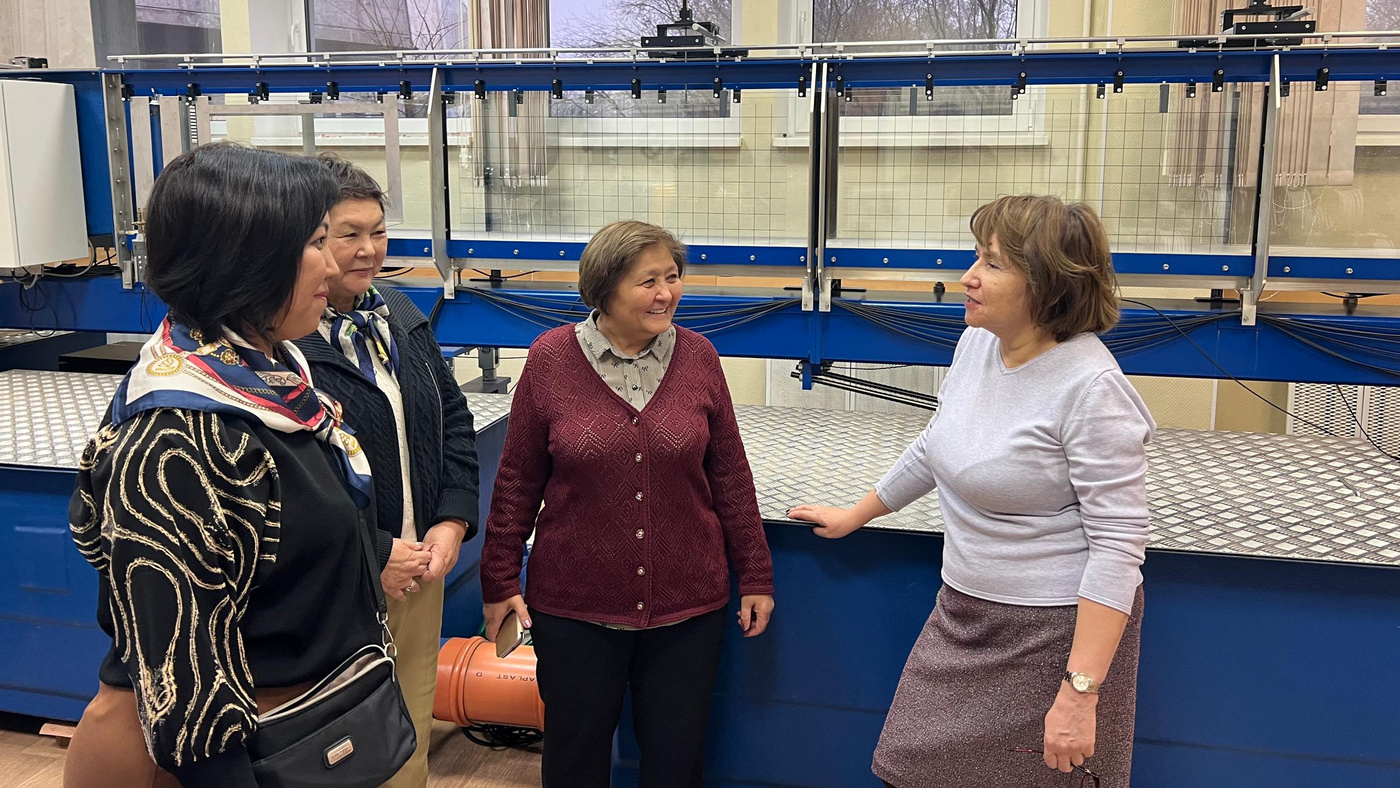
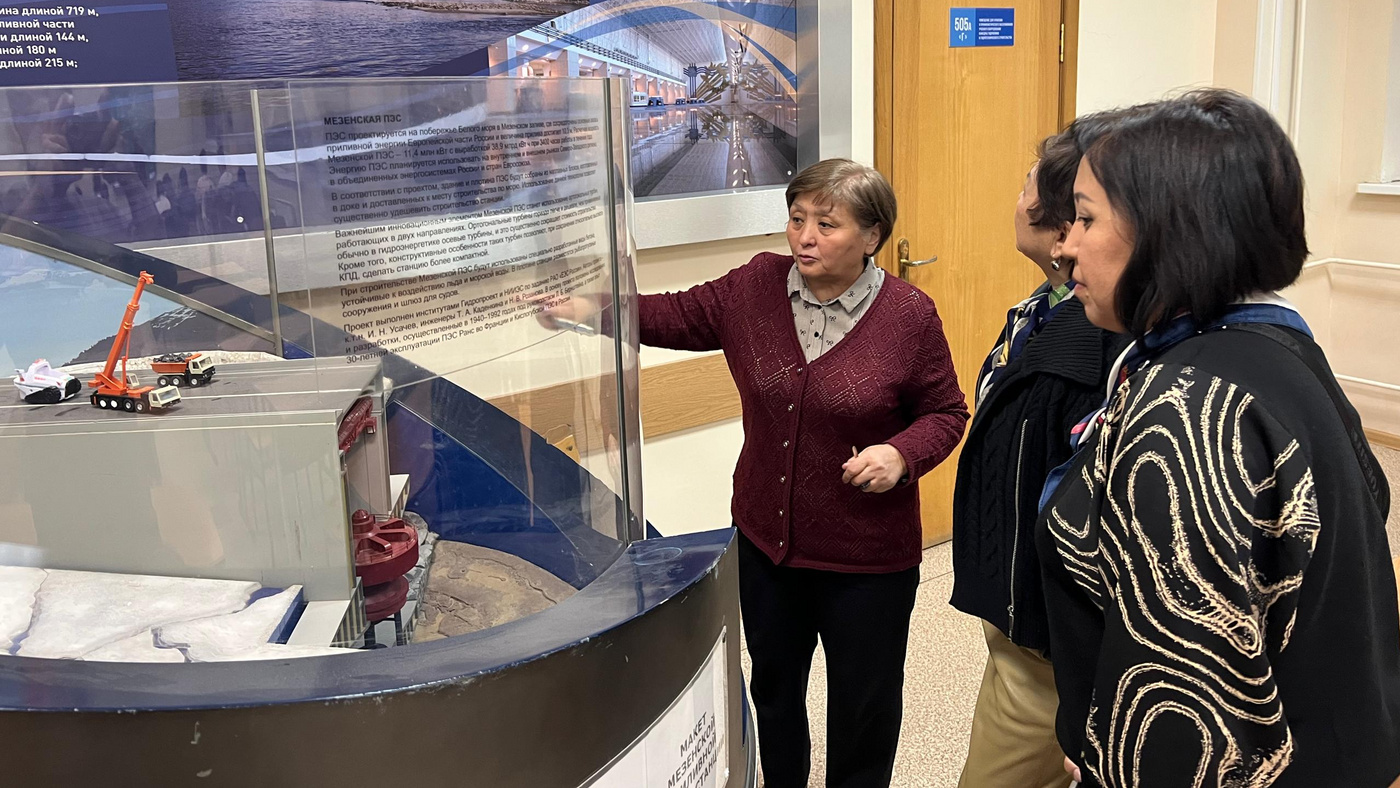
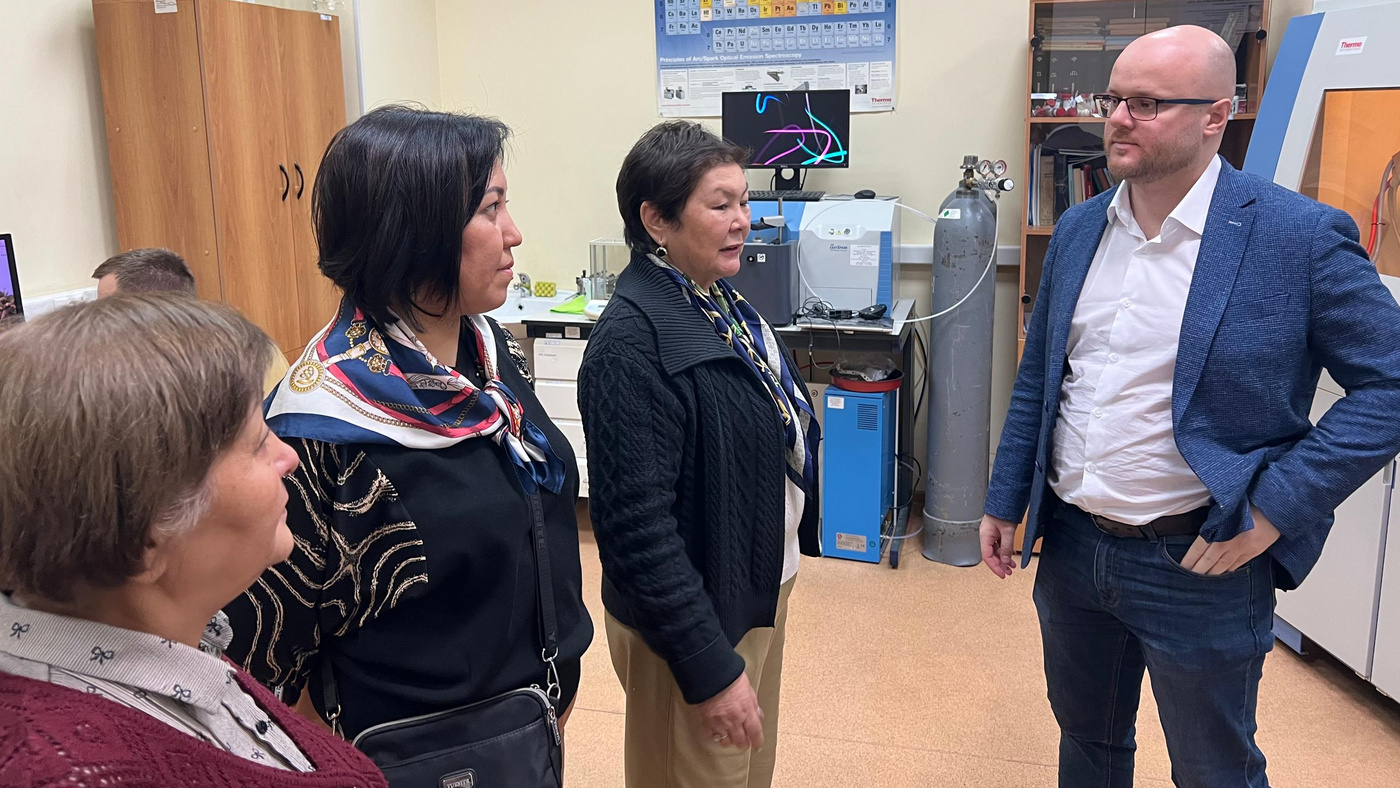
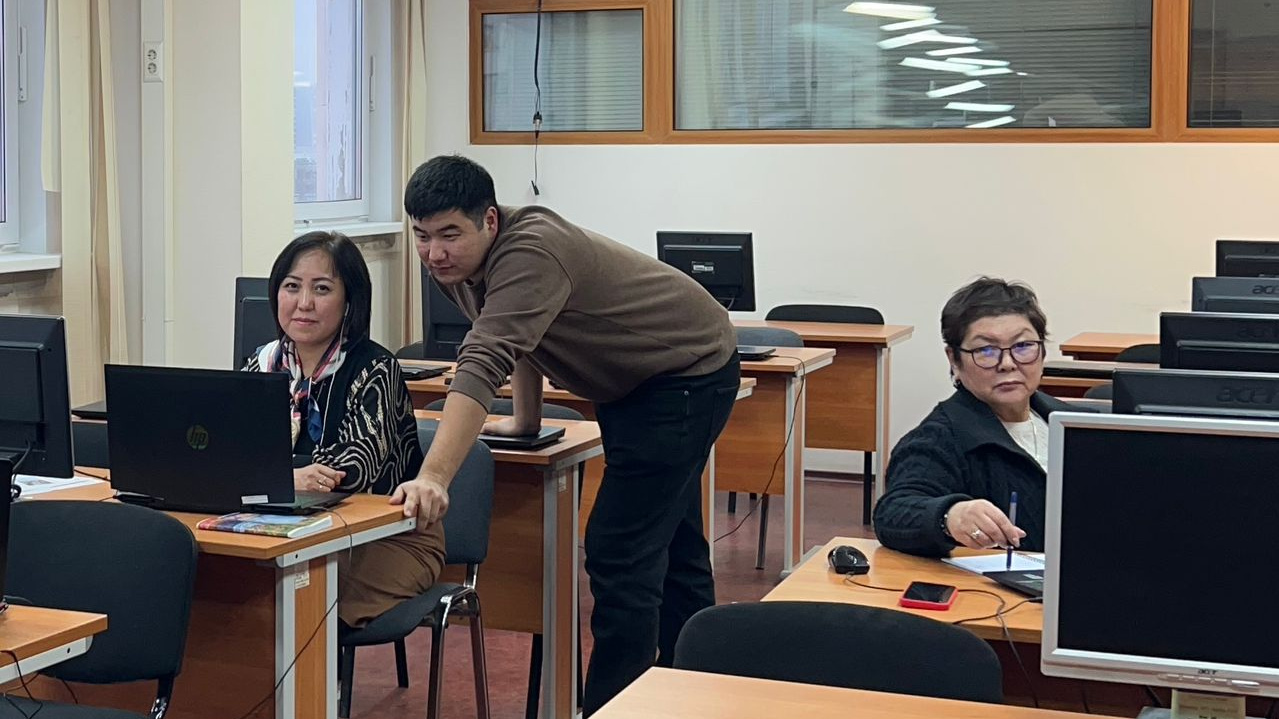
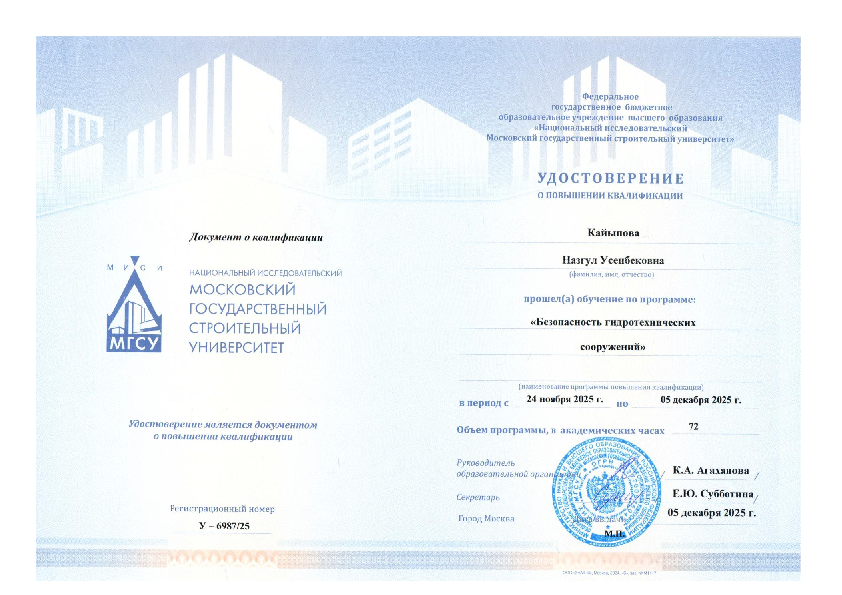
Internship objective: To gain familiarity with modern methods, theoretical knowledge, and practical skills for ensuring the safety of hydraulic structures (HS) through monitoring and technical inspections. Internship objectives:
- Familiarization with the regulatory framework for ensuring hydraulic structure safety.
- Study of methods and tools for monitoring the condition of structures.
- Participation in practical activities related to the technical inspection of hydraulic structures.
- Risk analysis, identification of defects, and development of recommendations for their elimination.
- Mastering the fundamentals of reporting on monitoring and inspection results.
- Improving professional training in the operation and safety of hydraulic structures.