Education Work
Main Objectives of Educational Activities
Educational work with students is aimed at the comprehensive development of learners’ personalities, the formation of a sustainable need to achieve personal and professional success, as well as the realization of their own life goals and objectives. Special attention is paid to developing independence, self-confidence, the ability to assert oneself, and the formation of a self-sufficient personality.
During the educational process, students develop essential personal qualities such as responsibility, initiative, an active civic position, and decision-making skills. This contributes to the effective involvement of learners in various spheres of social life, conscious choice of professional specialization, and harmonious personal growth.
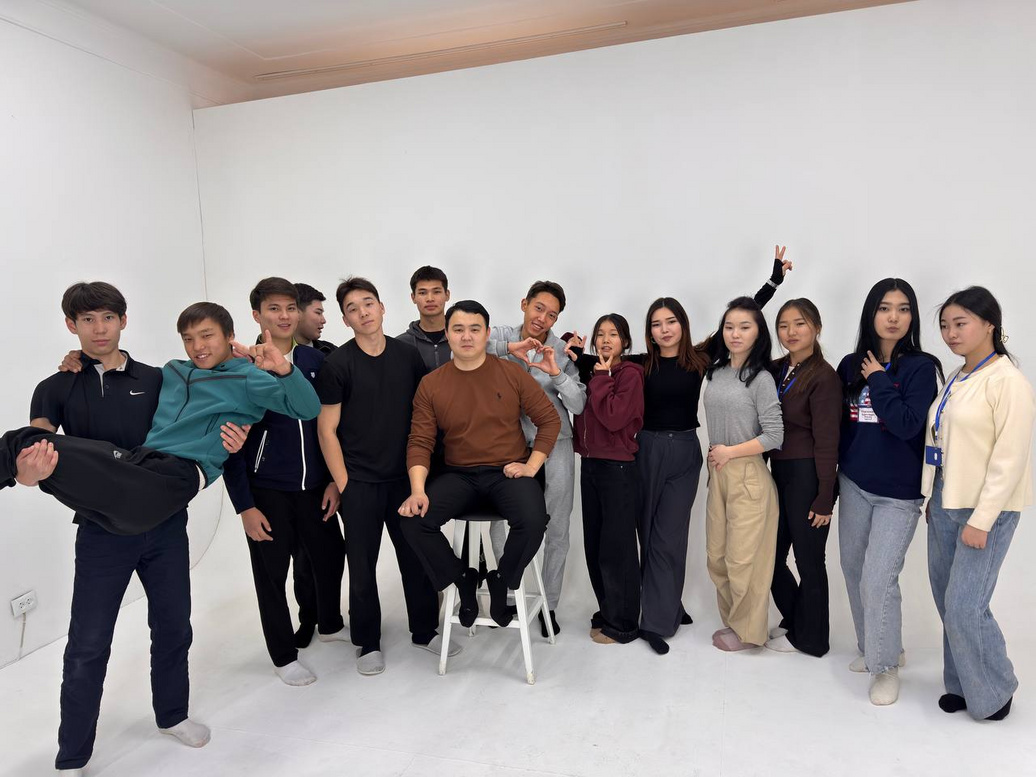
Educational activities at the branch are focused on creating living and learning conditions that help develop students’ activity in various areas, support civic and creative self-realization and self-determination, and satisfy their needs for physical, intellectual, cultural, and moral development.
Educational events assist nonresident students in adapting to the specific living and learning conditions of the branch, forming and improving qualities required for professional activity, developing civic positions and ideology, enhancing political and legal culture, improving labor skills, and strengthening the ability to work collectively.
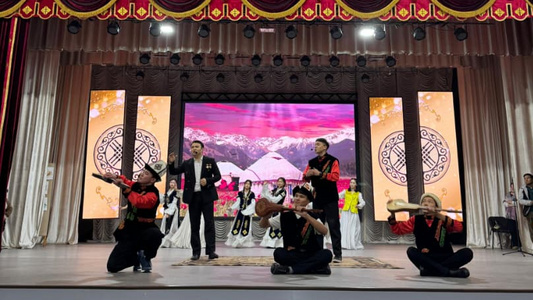
Planning of the Educational Process
Educational work at the Tokmok Branch of KSTU is planned according to the main principle of focusing on the development and self-development of students’ personalities, including professionally important qualities.
In a multiethnic society, special attention is given to fostering respect and love for one’s national culture and language, as well as tolerance toward the cultures, traditions, and languages of other peoples.
The center of the educational process is the student, with their value orientations, intellectual development characteristics, and personal views. Therefore, the educational process is built on considering age-related characteristics and creating conditions for the formation of new personal qualities.
The organization of educational work at the branch is a socially significant direction of public development. Education has a sociocultural orientation, which includes improving students’ leisure time, conducting health-promoting activities, activating sports and creative engagement, preventing immoral and antisocial behavior, organizing socially useful and volunteer activities, and creative initiatives.
Under modern socio-economic conditions, youth education is aimed at spiritual and moral development, professional self-determination, and personal growth.
Since educational activities at the branch are focused on shaping the civic and social image of future professionals, developing patriotic qualities, flexible critical thinking, constructive dialogue, and productive relationships, their content is implemented in the following areas:
Civic-patriotic education, aimed at developing legal awareness, responsible attitudes toward the country and its citizens, respect for laws, and the formation of an active life position.
Students actively participate in all areas of educational work: sports competitions, creative contests, festivals, and other activities.
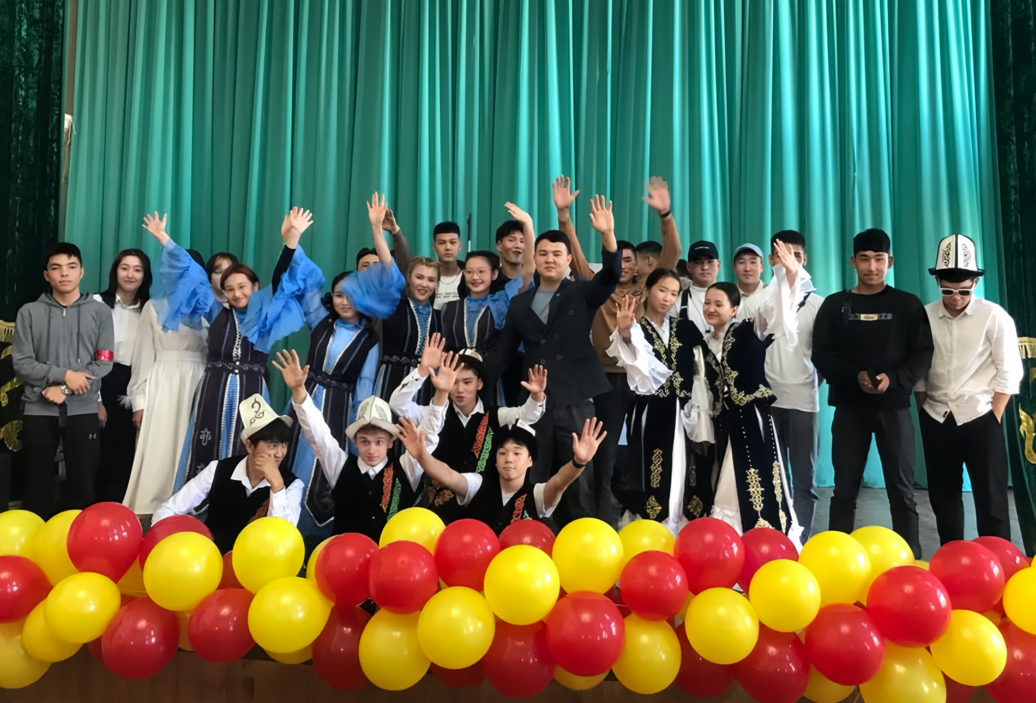
Student Initiation Ceremony
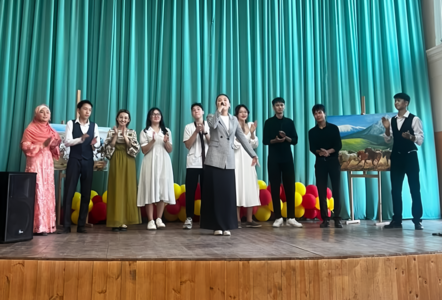
The tradition of student initiation originated in medieval Paris, where young people underwent various trials to become part of the informal student community.
Over time, this ritual evolved while preserving its main idea and has reached modern times. Today, student initiation is conducted in a creative, friendly, and organized form.
During such events, students have opportunities to express themselves, demonstrate their talents and abilities, and reveal their creative potential. They perform vocal and dance numbers on stage and participate in competitions and creative productions.
Special attention is given to dance performances, where participants demonstrate skill, artistry, and teamwork. Such activities help build self-confidence, strengthen friendships, and form cohesive student groups.
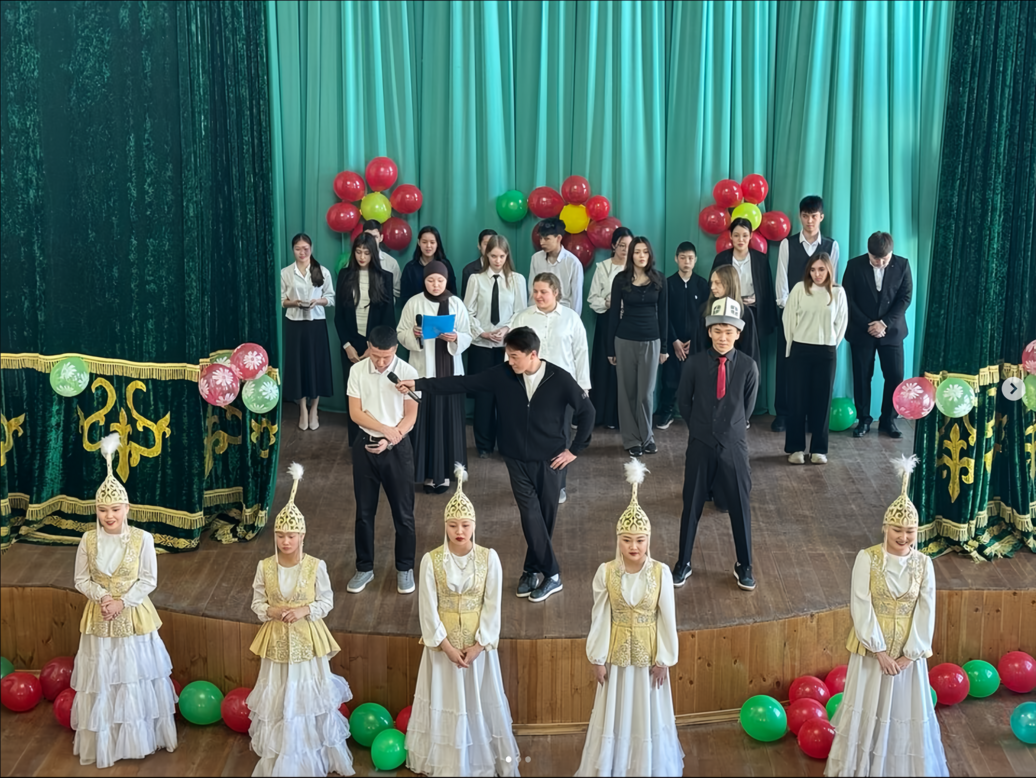
Students actively participate in thematic holidays such as Defender of the Fatherland Day (February 23), International Women’s Day (March 8), Nooruz, New Year, and other events.
Promotion of a Healthy Lifestyle
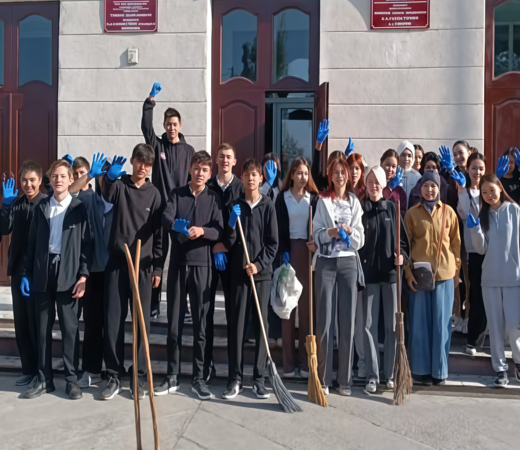
The promotion of a healthy lifestyle is aimed at developing students’ conscious attitudes toward their health, increasing the importance of physical education and sports, and fostering an active life position. Special attention is given to engaging students in sports activities, observing basic sanitary rules and hygiene standards, strengthening physical and psycho-emotional well-being, and maintaining and protecting their own health.
Within the educational process, psychological training sessions, preventive talks, and educational classes are regularly conducted to inform young people about risk factors and methods of prevention, including efforts to combat the spread of HIV infection and other socially significant diseases. These activities contribute to raising students’ awareness and fostering responsible behavior.
Students of our institute actively participate in sports competitions, campaigns, flash mobs, and thematic events, making a significant contribution to promoting a healthy lifestyle among young people and shaping positive social values. In addition, in order to counter the spread of extremist and terrorist ideologies and prevent social conflicts, the university implements a set of preventive measures aimed at developing tolerance, civic responsibility, and a culture of interpersonal communication. These initiatives help create a safe and supportive educational environment.
Open Lesson with AIDS Center Staff
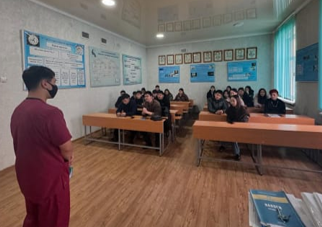
An open lesson was held with specialists from the AIDS Prevention Center to raise students’ awareness of HIV/AIDS, prevention methods, and protection strategies.
The specialists conducted an informative lecture explaining what AIDS is, how HIV is transmitted, and measures to reduce infection risk. Students learned about modern diagnostic and treatment methods, the importance of regular medical monitoring, and responsible attitudes toward their own health and that of others.
Special attention was paid to dispelling myths and stereotypes related to HIV/AIDS. Lecturers emphasized that accurate information and conscious actions help combat virus spread and contribute to building a healthy society.
Students actively participated in discussions, asked questions, and shared opinions, making the lecture interactive. The importance of personal responsibility, respect for others, and hygiene compliance was emphasized.
Emergency Response Training with Ministry of Emergency Situations Staff
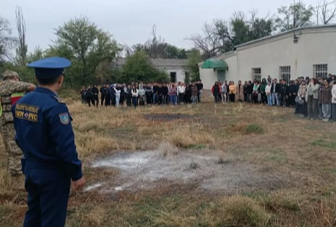
Today, a training exercise took place involving professional EMERCOM personnel, aimed at improving safety levels and preparedness for emergency situations.
During the event, participants were thoroughly explained the protocols for actions in various types of emergencies, reminded of the basic rules of personal and public safety, as well as the proper and timely response procedures in urgent situations.
EMERCOM staff shared their professional experience, analyzed real-life situations, demonstrated practical examples, and answered all questions of interest. Conducting such sessions plays an important role in fostering responsible behavior, strengthening self-protection skills, and helping to reduce risks in case of emergencies.
Open Lessons with the Red Crescent Society
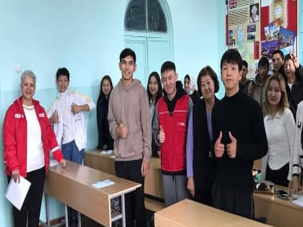
Open lessons were organized with Red Crescent specialists to enhance theoretical knowledge and practical first aid skills. Experts explained first aid principles, emergency response procedures, and lifesaving measures before medical services arrive.
The open format allowed participants to practice skills, discuss cases, and gain confidence in decision-making.
Student Activities During the Pandemic
The pandemic is a shared challenge but also an opportunity to unite in new formats. Quarantine does not cancel creativity or appreciation of art and beauty. There is always opportunity if there is desire.
During this difficult period, ISOP students continued comprehensive development, created video materials, and participated in university life online.
Our students are talented, active, ambitious, and successful. Their victories in international competitions and participation in scientific conferences, forums, and contests confirm the dedication and professionalism of our teaching staff.
The branch named after Academician K. A. Rakhmatulin, together with the Public Fund 'Cornelius Society,' held a four-day seminar on 'Gender-Based Violence.'
The branch named after Academician H.A. Rakhmatulin jointly with the Cornelius Society Foundation conducted a four-day seminar on gender-based violence.
Gender-based violence refers to harmful acts committed against individuals or groups due to gender identity, including sexual violence, domestic abuse, human trafficking, forced or early marriage, and harmful traditional practices.
Understanding intersections of gender with race, religion, economic status, political views, and geography is essential. Although men and boys may also be victims, women and girls are disproportionately affected.
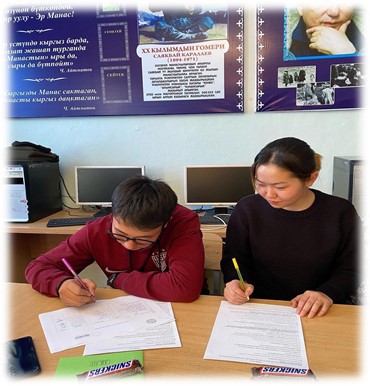
Currently, the issue of gender education for students has become very relevant. Among the reasons, the following can be noted:
- Femininity in men and masculinity in women;
- Dulling of feelings of gender identity;
- Increase in inadequate forms of behavior among young people;
- Growth of problems related to loneliness and instability in marital relationships.
The relevance of gender education is also due to the fact that domestic pedagogy mainly focuses primarily on the psychological and age-related characteristics of the student, although many educators have already begun to take into account the differences in psychophysiological traits, intellectual abilities, ways of perception, needs, and social behavior of students of different genders.
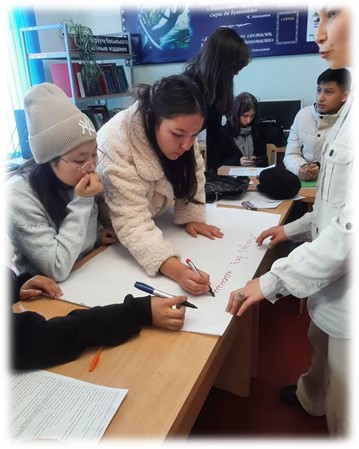
Essence of Gender Education
Gender education is a comprehensive process based on biological and social differences.
Girls tend to absorb information auditorily, while boys prefer visual methods.
Students learn to identify themselves with their gender and compare behaviors.
The seminar yielded positive results, improving awareness, behavior culture, and mutual respect.
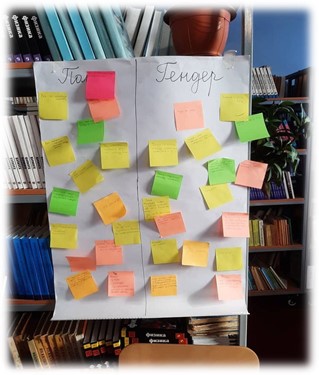
In the learning process, it is important to take into account that boys and girls perceive information differently. While auditory perception is important for girls, boys prefer using visual tools based on visual perception.
Thus, students have learned to identify themselves with members of their own gender. They can relate their gender-role behavior to the behaviors of others. Students have developed an understanding of other people based on comparison.
The seminar yields positive results. Students' horizons have broadened, and their knowledge about the content of social roles of men and women has increased. Their culture of behavior and communication has improved; they have become more attentive and friendly toward each other. The experience gained will be deepened and refined. Boys and girls are two different worlds. If we, as educators and parents, take an interest in educating students with consideration of gender characteristics, we will be able to successfully address these tasks.
Debate Tournament Between Colleges of Kyrgyzstan
Debates are a clearly structured and specially organized public exchange of ideas, a discussion between two sides on relevant topics. This type of public dispute is aimed at having the debate participants convince a third party of their correctness, rather than each other. The verbal and non-verbal means used by the participants of debates are intended to form a certain opinion among the audience on the issue at hand. Debates are most often understood as political pre-election discussions between presidential candidates.
On November 12, the 'Invaders' team, composed of students from the Academician Kh.A. Rakhmatulin branch of KSTU named after I. Razzakov in Tokmok, took part in a debate tournament among colleges in Kyrgyzstan.
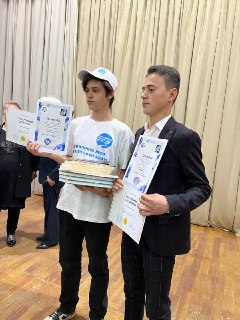
The "invaders" team, consisting of Mustafa Abakarov, Alisher Abdyrakhmanov, Dilmurad Akhmedov, Yana Ladeyshchikova, and Maria Stroganova (team leader – Apsamat Bolotbekovich Kalmurzaev), took first place by winning the final round against the KSTU College team. The students were awarded a Winner's Diploma and commemorative prizes.
The tournament took place at KSTU named after I. Razzakov. Tournament organizers:
3B MEDIA, Roza Otunbayeva Initiative

A student of the Branch named after Academician Kh.A. Rakhmatulin became 'Miss Student 2022' of Tokmok
The initiators of the competition were the N. Baytemirov Palace of Culture. Students from various universities in the city were invited to participate in the contest: the branch of Academician K. A. Rakhmatulin in Tokmok, Tokmok Industrial-Pedagogical College, Tokmok Medical College, Tokmok Agro-Industrial College, and so on.
As a result of the competition, the main prize — the title of "Miss Student 2022" — was awarded to first-year student Adelya Bakhtiyarovna Zhetigenova from the branch of Academician K. A. Rakhmatulin of KSTU named after I. Razzakov. She was also presented with certificates and expensive gifts from the sponsors of the event.
Adelya Zhetigenova demonstrated not only her beauty, charisma, and grace but also a deep knowledge of Kyrgyz culture, excelling in the creative stage and talking about herself and her hobbies in a very interesting way.
Nine female students participated in the competition, possessing not only pleasant appearances but also intelligence and talents. The competition was held in several stages: introducing themselves with a "Business Card" presentation, a creative contest – dance and song, an intellectual contest – knowledge of history, culture, literature, and art, and the final stage – a showcase of evening gowns. The participants approached the contest very seriously and gave everyone in attendance a wonderful celebration – a celebration of beauty, intelligence, and talent.